Munters
HCD Series
Modular Desiccant Dehumidifiers for Precise
Industrial Humidity Control
Humidity control is a critical factor in maintaining product quality, protecting equipment, and supporting reliable industrial operations. Throughout the Southeast, facilities contend with elevated humidity levels year-round, making effective moisture control essential for industries such as pharmaceutical manufacturing, food processing, cold storage, and advanced manufacturing.
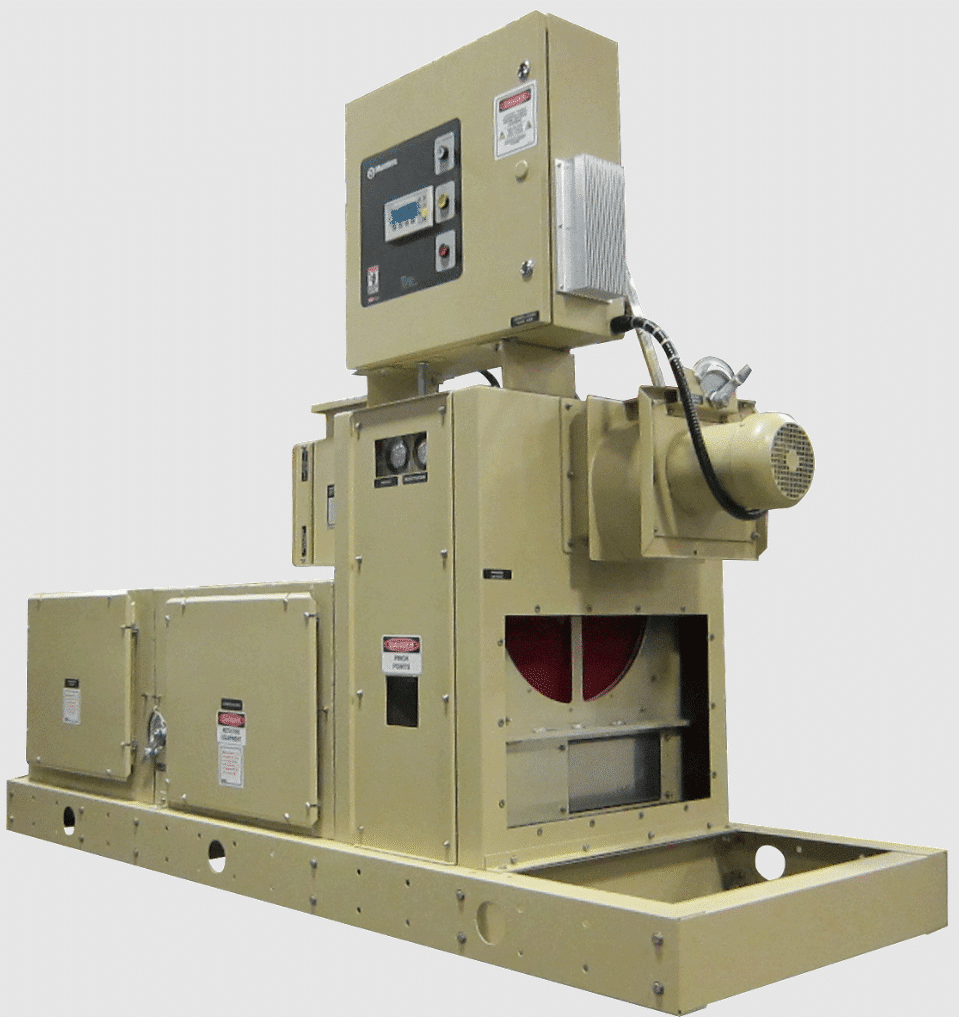
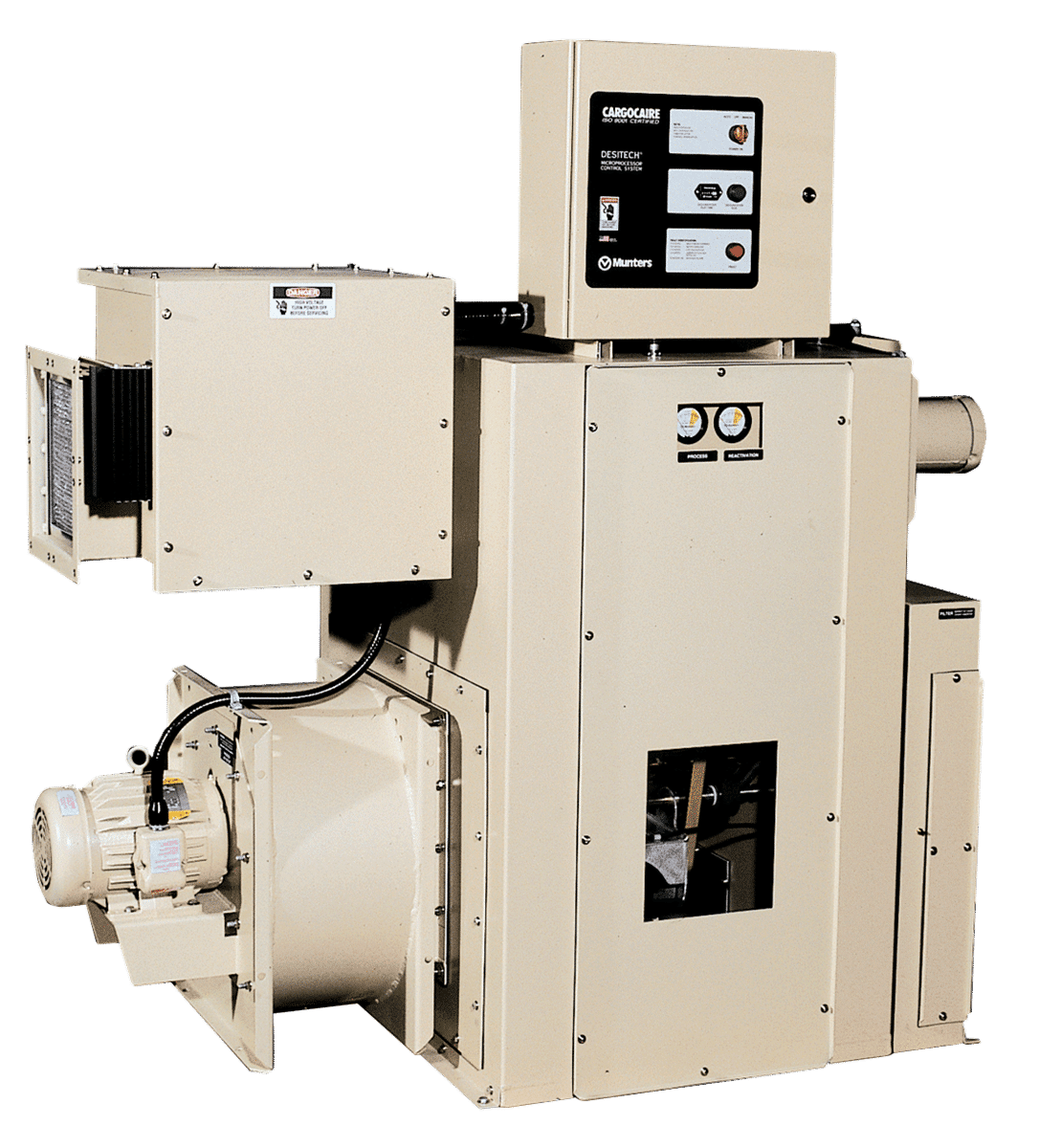
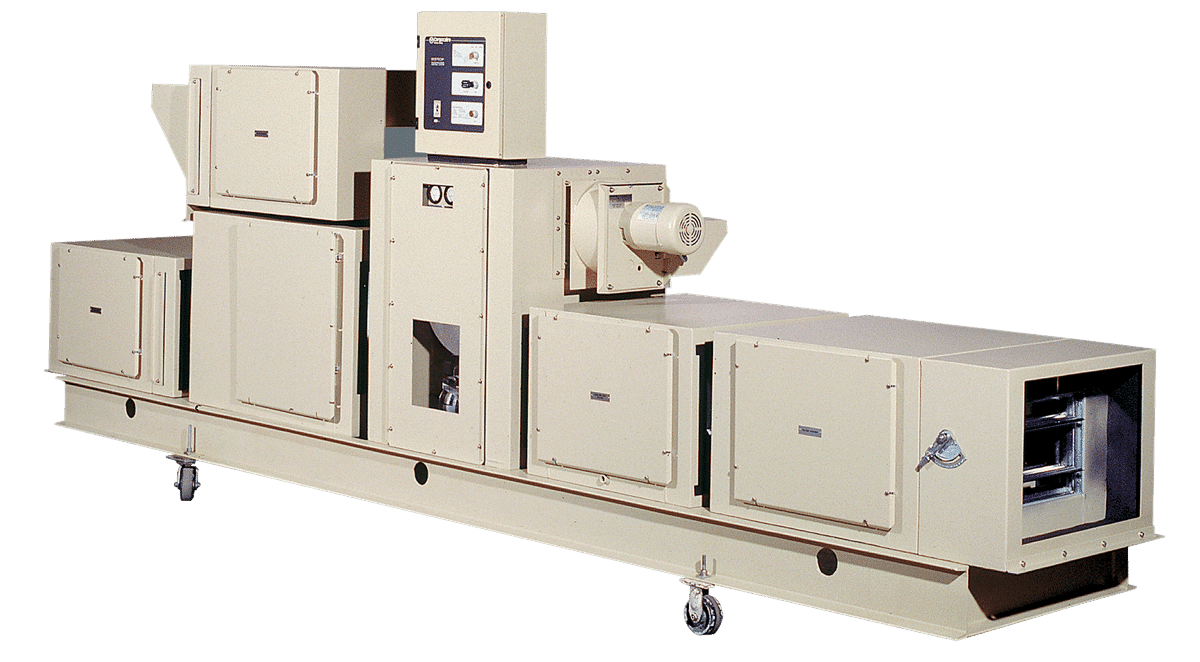
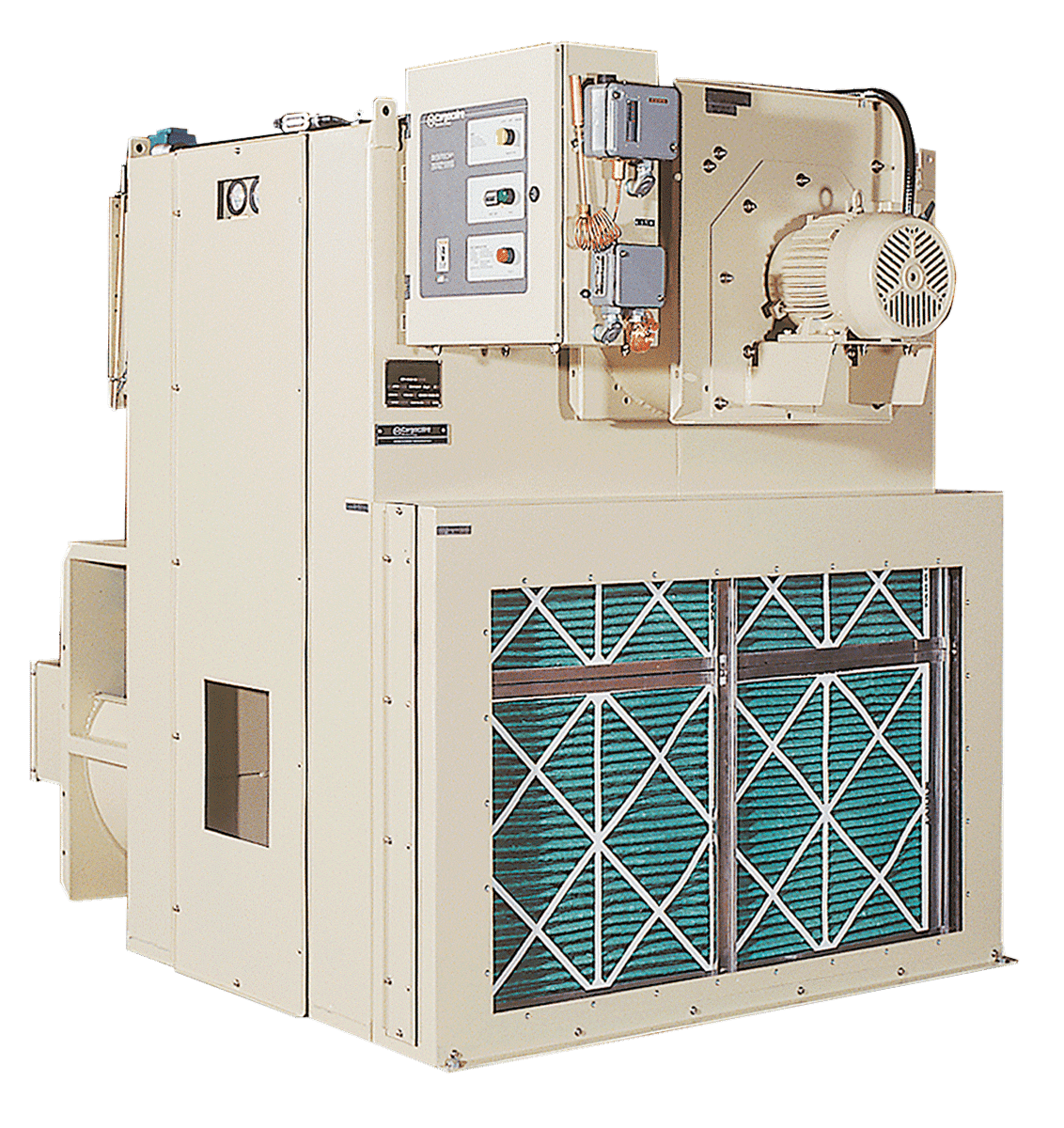
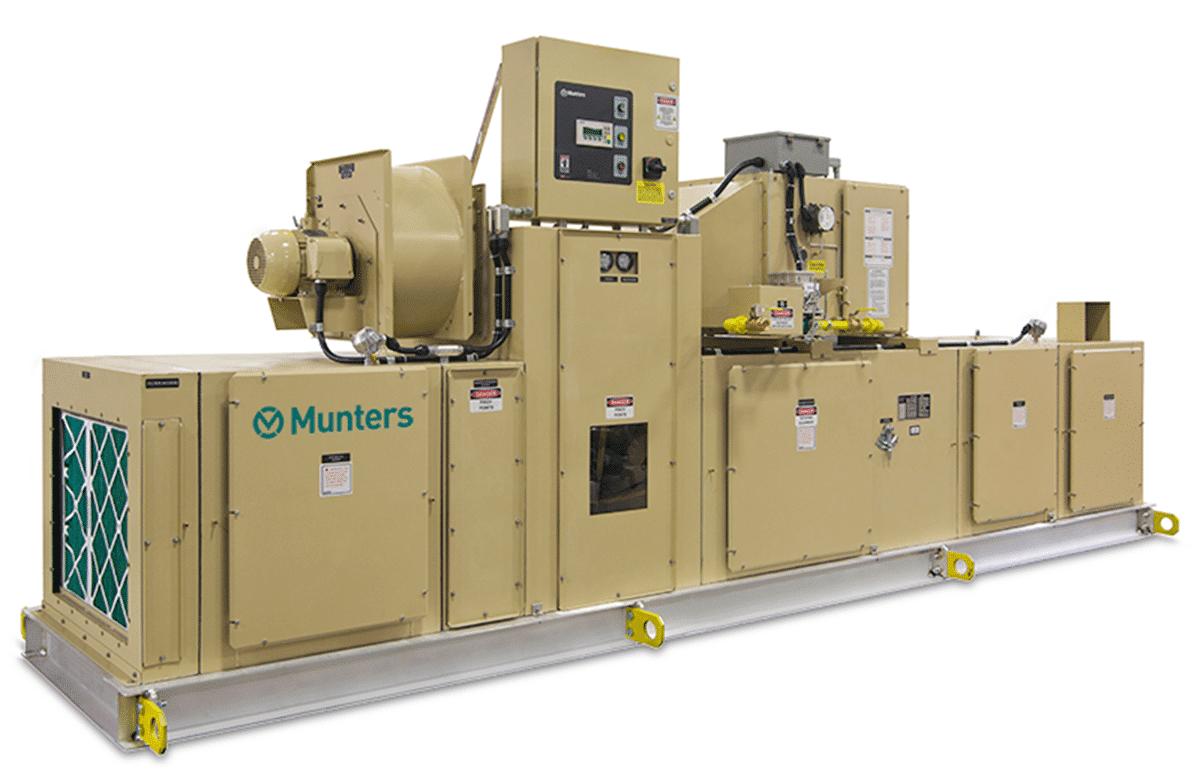
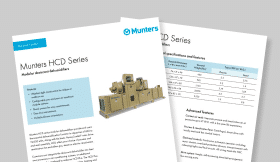
The Munters HCD Series delivers precise humidity control using modular desiccant dehumidification technology engineered for demanding industrial environments.
Highlights
- 300–12,000 CFM airflow capacity
- Modular, scalable design
- Indoor or outdoor installation
- PLC-controlled operation
Additional Information
Description
Conventional refrigerant-based dehumidification systems become less effective in applications requiring low dew points or low operating temperatures. The Munters HCD Series utilizes desiccant dehumidification technology to deliver consistent moisture removal across a broader range of environmental conditions.
Each HCD system is built using a modular platform that can be configured to meet current facility requirements while supporting future capacity expansion. Systems are available for both indoor and outdoor installation, depending on project needs.
Key Features of the HCD Series
Modular Design
Scalable configurations designed to adapt to facility requirements and future expansion.
Wide Airflow Capacity
Available from 300 to 12,000 CFM to support small- and large-scale applications.
Advanced PLC Controls
Integrated control systems provide precise humidity management and system monitoring.
Energy-Efficient Operation
Designed to optimize performance while minimizing operational costs.
Indoor or Outdoor Installation
Flexible installation options to fit facility constraints.
Durable Industrial Construction
Built for demanding environments and continuous operation.
Benefits of the Munters HCD Series
Desiccant dehumidification provides reliable humidity control in applications where conventional refrigeration-based systems may be limited. The HCD Series helps maintain stable environmental conditions while reducing the risk of condensation, equipment corrosion, product quality issues, and moisture-related process interruptions.
Integrated PLC controls provide accurate system monitoring and humidity management, while the modular design simplifies future expansion and long-term maintenance planning.
Applications for the HCD Series

Pharmaceutical Manufacturing
Pharmaceutical manufacturing and storage environments require precise humidity control to support product quality and regulatory compliance. The HCD Series helps maintain stable environmental conditions that align with GMP requirements and validated manufacturing processes.

Food Processing
Excess moisture can contribute to product quality issues, microbial growth, and sanitation challenges within food processing environments. Reliable humidity control helps protect production processes while supporting food safety initiatives.

Cold Storage
Condensation within refrigerated facilities can create safety hazards, reduce operational efficiency, and accelerate equipment deterioration. Desiccant dehumidification removes moisture before condensation develops, helping maintain safer and more efficient cold storage environments.

Water Treatment Plants
Water treatment facilities often operate in high-moisture environments that can accelerate corrosion of electrical equipment, controls, and instrumentation. Maintaining appropriate humidity levels helps extend equipment life and improve system reliability.

Industrial Manufacturing
Many manufacturing processes depend on stable environmental conditions to maintain product quality and process consistency. Effective humidity control helps reduce moisture-related defects while supporting reliable production performance
Why Work with Lincoln Associates for Munters Systems?
Lincoln Associates is an authorized Munters representative serving Florida, Georgia, Alabama, Mississippi, South Carolina, and Tennessee. Our engineering team works with owners, consulting engineers, and contractors to evaluate airflow requirements, environmental conditions, and process objectives before recommending an application-specific solution.
From equipment selection through commissioning and ongoing technical support, Lincoln Associates remains engaged throughout the project lifecycle to help ensure long-term system performance and operational reliability.
Munters Resources
Interested a HCD Series?
Every Munters HCD Series installation begins with a thorough evaluation of the facility’s environmental requirements and operational objectives. Lincoln Associates provides application support, equipment selection, and technical guidance to help identify the appropriate configuration for each project.