
DCA Dehumidifier Distributor & Supplier
Commercial and industrial dehumidification systems for moisture control, humidity management, and facility protection.
Featured Products
DCA Commercial & Industrial Dehumidification Systems
Explore DCA dehumidification systems engineered for natatoriums, commercial buildings, industrial facilities, and outdoor air applications where moisture control is critical.
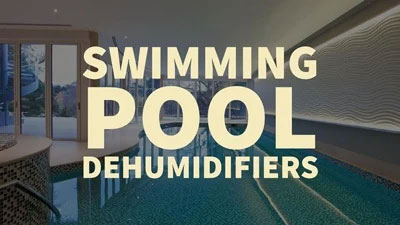
Pool Room Dehumidifiers
Dehumidification Systems for Natatoriums & Aquatic Facilities
CA pool room dehumidifiers are designed for indoor swimming pools, therapy pools, hotel pools, and other natatorium environments where excess humidity can affect comfort, building durability, and indoor air conditions.
Key Highlights:
- Designed for indoor pool room applications
- Can provide space heating and cooling
- Pool water heating assist available
- Supports proper moisture control in aquatic environments
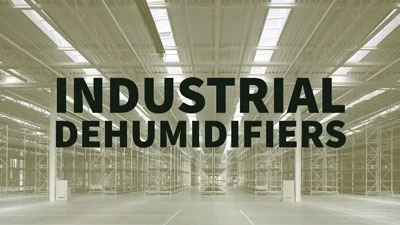
Commercial & Industrial Dehumidifiers
Moisture-Control Systems for Demanding Facilities
DCA commercial and industrial dehumidifiers are designed for facilities where maintaining relative humidity and dew point is essential, including manufacturing spaces, storage environments, and other high-moisture applications.
Key Highlights:
- Available in horizontal or vertical cabinet construction
- Capacities from 1.5 to 30 nominal tons
- 650 to 14,000 CFM of supply air
- Built for commercial and industrial humidity control

100% Outdoor Air Dehumidifiers
Dedicated Outdoor Air Moisture-Control Systems
DCA 100% outdoor air dehumidifiers are designed to pre-treat moisture-laden make-up air before it enters the building, supporting indoor air quality and improved humidity control.
Key Highlights:
- Designed for 100% outdoor air applications
- Pre-treats make-up air before building entry
- Helps manage ventilation-related moisture loads
- Useful where standard AC cannot dehumidify properly
DCA Dehumidification Solutions by Application
DCA systems support commercial and industrial environments where moisture control helps protect building conditions, equipment, materials, and occupant comfort. Common applications include:

Indoor Pools & Aquatic Facilities
- Indoor Swimming Pools
- Spas & Hot Tubs
- Therapy Pools
- Hotel Pools
- Recreation Facilities

Industrial & Commercial
- Manufacturing Facilities
- Industrial Processes
- Commercial Buildings
- Water Treatment Facilities
- High-Humidity Environments

Warehousing & Storage
- Warehouses
- Storage Facilities
- Moisture-Sensitive Materials
- Equipment Protection
- Inventory Protection

Agriculture & Controlled Environments
- Indoor Agriculture
- Grow Rooms
- Vertical Farming
- Controlled Growing Spaces
- Humidity-Sensitive Crops

Outdoor Air & Ventilation
- 100% Outdoor Air
- Make-Up Air
- Ventilation Moisture Control
- Dedicated Outdoor Air Systems
- High-Load Outdoor Air Applications

Retrofit & Specialty Systems
- Replacement Dehumidifiers
- Retrofit Applications
- Custom-Engineered Systems
- Facility Upgrades
- Application-Specific Solutions
Why Choose Lincoln Associates for DCA Dehumidification Systems
As a DCA representative, Lincoln Associates provides engineering-focused support to select and integrate commercial and industrial dehumidification systems. Serving Georgia, Florida, Alabama, Mississippi, South Carolina, Tennessee, and surrounding Southeast markets, our team helps evaluate humidity loads, moisture-control goals, equipment sizing, retrofit requirements, and HVAC integration needs for each application.
Lincoln Associates supports facility owners, contractors, engineers, and building operators through the full equipment selection process. Whether the project involves an indoor pool, commercial building, industrial process, warehouse, water treatment facility, or custom outdoor air requirement, our team helps match DCA equipment to the operating conditions that affect long-term performance.
For projects tied to broader industrial dehumidification solutions, Lincoln Associates can help determine how DCA systems fit into the facility’s larger HVAC strategy. That includes reviewing moisture loads, ventilation conditions, system placement, replacement constraints, and coordination with related air handling equipment.
Customers can also explore Lincoln’s broader manufacturer network when comparing equipment categories, system options, or complementary technologies.

Work with a DCA Sales Engineer
Get expert guidance on determining dehumidification requirements, selecting the right DCA system, and planning new construction, replacement, retrofit, or custom moisture-control projects.
Frequently Asked Questions
What does DCA stand for?
DCA stands for Dehumidifier Corporation of America. The company specializes in commercial and industrial dehumidification systems for pool rooms, manufacturing facilities, storage spaces, outdoor air applications, and other moisture-control environments.
What types of dehumidifiers does DCA manufacture?
What are DCA pool room dehumidifiers used for?
Can DCA dehumidifiers support pool water heating?
Yes. DCA pool room dehumidifiers can be configured to provide space heating and cooling, as well as pool water heating assistance. This allows the system to help manage humidity while supporting broader pool room environmental control.
What applications use commercial and industrial DCA dehumidifiers?
What is a 100% outdoor air dehumidifier?
How do I know which DCA dehumidifier is right for my facility?
Does Lincoln Associates provide support for DCA replacement or retrofit projects?
Yes. Lincoln Associates can support replacement and retrofit projects by helping evaluate existing equipment, humidity-control needs, installation constraints, and HVAC integration requirements. Customers can also explore Lincoln’s broader <a href=”https://lincolnassoc.com/manufacturers/”>manufacturer network</a> when comparing complementary equipment options.