
Swimming Pool Facility Humidification Solutions
Indoor pool environments generate continuous moisture from evaporation, requiring careful control to protect both occupants and building structures. Facilities include aquatic centers, fitness clubs, hotels, schools, and therapy pools, each with unique environmental demands.
Without proper humidity control, excess moisture can lead to condensation, corrosion, and structural damage. Lincoln Associates provides engineered solutions that integrate with industrial dehumidification systems and HVAC infrastructure to maintain stable natatorium conditions.
Why Humidity Control Is Critical in Indoor Pool Facilities
Indoor pool facilities place constant moisture stress on the surrounding building envelope, mechanical systems, and occupied spaces. Humidity levels influence how well the facility protects its structure, maintains comfort, and supports safe indoor conditions.
Several common natatorium challenges are tied directly to excess moisture and inconsistent humidity control.
- Condensation Prevention: Warm, humid air condenses on cooler surfaces such as windows, walls, and ceilings. Persistent condensation leads to water damage and deterioration of finishes and structural components.
- Protection of Building Structures: Elevated humidity accelerates corrosion of metal components, ductwork, and lighting systems. Controlled conditions extend the lifespan of building infrastructure and reduce maintenance demands.
- Comfort for Occupants: High humidity levels create uncomfortable conditions for swimmers and spectators. Balanced moisture levels improve air quality and overall comfort.
- Air Quality and Facility Safety: Managing humidity supports proper ventilation and reduces the risk of mold and mildew. Indoor pool environments typically operate within a range of 50 to 60 percent relative humidity.
Pool Facilities That Depend on Humidity Control
Indoor pool environments vary by use, occupancy, and water temperature, but each one produces continuous moisture that must be managed. Proper humidity control helps protect buildings, improve occupant comfort, and reduce long-term maintenance concerns.
These facility types often require tailored environmental control strategies.
Public Aquatic Centers
Large facilities generate significant moisture loads due to constant use. Effective humidity control supports building longevity and user comfort.
Fitness Clubs and Recreation Centers
Pools within multi-use facilities require balanced environmental control to maintain comfort across different activity areas.
Hotels and Hospitality Pools
Indoor pools in hospitality settings require moisture control to protect interior finishes and maintain a pleasant guest experience.
Therapy and Rehabilitation Pools
Elevated water temperatures increase evaporation rates. Precise environmental control supports patient comfort and protects facility infrastructure.
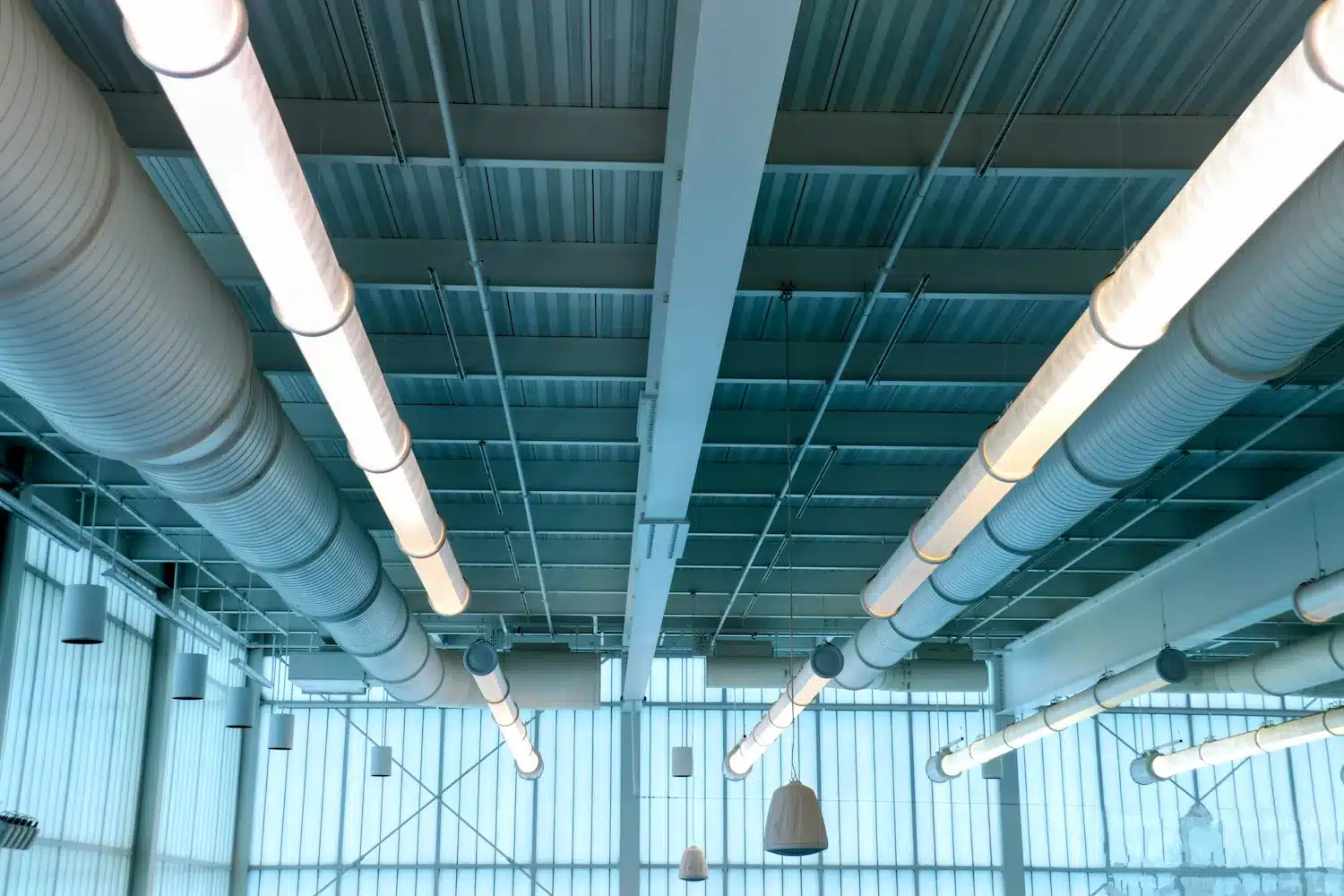
Benefits of Proper Swimming Pool Humidification
- Reduced condensation on surfaces and structural elements
- Protection against corrosion and material degradation
- Improved comfort for occupants and staff
- Lower risk of mold and moisture-related damage
- Stable environmental conditions in natatorium spaces
- Extended building lifespan and reduced maintenance costs
Humidification Solutions for Indoor Pool Facilities
Lincoln Associates delivers systems designed to manage continuous moisture loads in aquatic environments.
Solutions integrate with air handling equipment and building automation systems to maintain consistent conditions. Custom designs address the specific requirements of aquatic centers, fitness facilities, and hospitality environments.
Equipment from partners such as Polygon provides effective moisture management for demanding applications. Energy-efficient operation supports continuous performance while controlling operating costs. Lincoln provides support from system selection through installation and long-term service.
Control the Environment Behind the Water
Indoor pool facilities depend on controlled humidity to protect both people and infrastructure. Consistent environmental conditions support comfort, safety, and long-term building performance.


