Munters

COST EFFECTIVE ENVIRONMENTAL CONTROL FOR DIVERSE APPLICATIONS

Achieve Optimal Environmental Conditions Throughout the Production Process with Munters and Engineered Solutions from
Lincoln Associates

Munters’ HCD and ICA series modular dehumidifiers and air handlers deliver essential dehumidification capabilities at every stage of the production process. Clients can seamlessly integrate these desiccant dehumidifiers into their processes or existing air conditioning systems, or combine additional modules to form an HCD Plus unit.

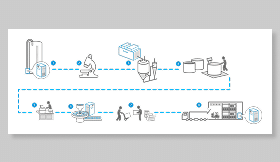
The Pharmaceutical Dehumidification Process

1. Dry Storage

Year-round humidity stability in dry storage areas helps prevent condensation, enhances powder flow, and minimizes cleaning frequency.

2. Cleanroom & R&D

In cleanroom environments, every element must be precisely controlled, including air quality. Inadequate humidity management can lead to outside conditions negatively impacting room environments.

3. Drying

Proper moisture balance is crucial for reliably blending excipients and active pharmaceutical ingredients (APIs), ensuring that the granulating mixture stays in equilibrium with the surrounding air.

4. Weighing, Mixing, Granulating

Maintaining ideal environmental conditions allows for consistent blending of excipients and APIs while mitigating the effects of excess moisture.

5. Milling & Compressing/Tableting

Keeping humidity at the designated levels enhances production efficiency, reduces energy usage, and improves dosing precision.

6. Vaccines & Parenteral Formulations

The quality of biologics, vaccines, and parenteral products relies on a clean, controlled environment. High humidity levels (>70% Relative Humidity) increase the risk of microbial contamination, while humidity control shortens drying times post-cleaning.

7. Packaging

During blow-fill-seal packaging processes, condensation on chilly surfaces can lead to defects affecting both appearance and structural soundness. Effective dew point management can prevent these issues.

8. Storage

Supplying low humidity air to cold storage areas helps avert the formation of ice, frost, and fog. After production, dried capsule shells are susceptible to humidity variations that can compromise their strength and appearance. A stable climate during packaging and storage mitigates these risks.

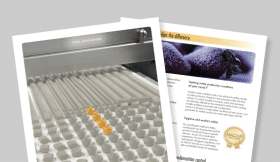
Food & Beverage Industry Dehumidification Process

Munters Ensures Precise Climate Control from Farm to Table

Munters helps maintain high product quality while optimizing energy consumption and enhancing productivity, ensuring your facility achieves the ideal humidity levels necessary for your specific food and beverage applications.

With extensive expertise in climate control, Munters effectively prevents condensation and significantly reduces the growth of mold and fungi. Trust Lincoln Associates and Munters to provide consistent conditions year-round, guaranteeing reliable quality, decreased waste, and extended shelf life for your food and beverage products.

Bakeries

Breweries and Wineries

Confectionery

Dairy Processing

Fruits & Vegetables

Meat

Poultry & Fish Milling

HCD Series

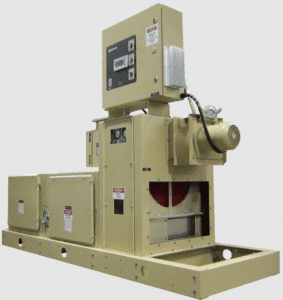
HCD Series Modular Desiccant Dehumidifiers

Designed to effectively lower moisture levels, the modular desiccant dehumidifiers in Munters’ HCD Series handle airflow rates from 300 to 12,000 CFM. The unit casing, constructed from fully welded and strain-hardened aluminum, minimizes air leakage. The electrical control system adheres to NEC standards, with UL certification available as an option. All controls are securely located in a NEMA 4 control cage, and each unit is PLC controlled. Their robust design allows for both indoor and outdoor installations, providing flexibility in placement. The HCD Series includes all necessary components and controls for standalone dehumidifier operation.

ICA Series

Integrated Custom Air Handler (ICA) Series

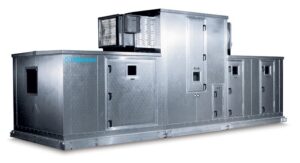
The Munters Integrated Custom Air Handler (ICA) Series simplifies humidity control in construction or manufacturing. Collaborate with your Lincoln Associates sales engineer to design the perfect system for your needs using advanced selection software.

Offered in multiple configurations, the ICA Series has processing capabilities of up to 100,000 CFM and can withstand challenging conditions, such as -40°F dew points. This system includes a dehumidifier with eleven rotor sizes, five desiccant options, high-efficiency heating and cooling coils, refrigeration packages, supply and return HEPA filters, and is manufactured in an ISO 9001:2015 certified facility and is NRTL approved to UL standards.

ICA Series

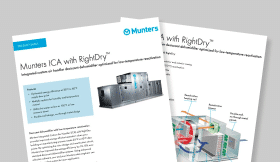
ICA SERIES with RightDry®

The Munters Integrated Custom Air Handler (ICA) featuring RightDry® delivers enhanced energy efficiency for processes requiring dew points between 20°F and 40°F. Through innovations in rotor design and reactivation circuits, Munters has achieved a 10-15% improvement in energy efficiency compared to conventional desiccant dehumidifying systems.

Ready to Talk?

Contact Us

[wufoo username="shiftweb" formhash="psd206j1lrltre" autoresize="true" height="100" header="show" ssl="true"]

*Our Customer Support Team will reach out to you within 24 hours during normal business operations.

Scroll to Top
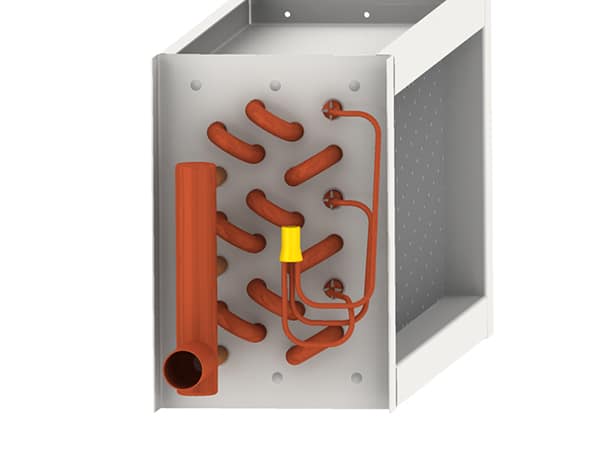
Evaporator Coil - Single-Circuit

Single Circuit

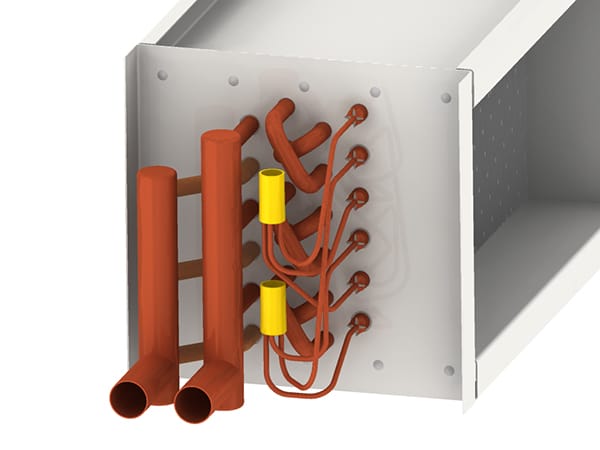
Evaporator Coil - Intertwined

Intertwined

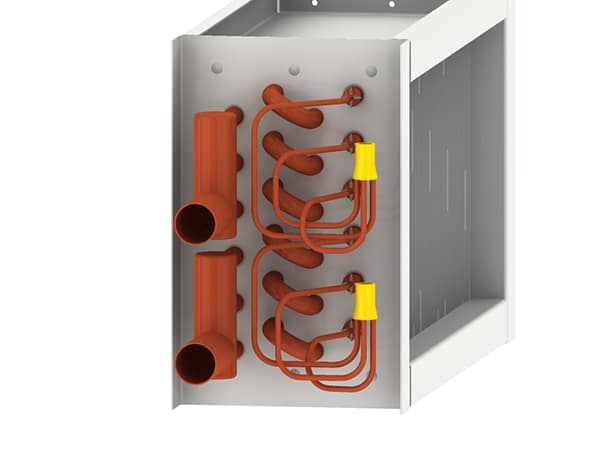
Evaporator Coil - Split Face

Face Split face

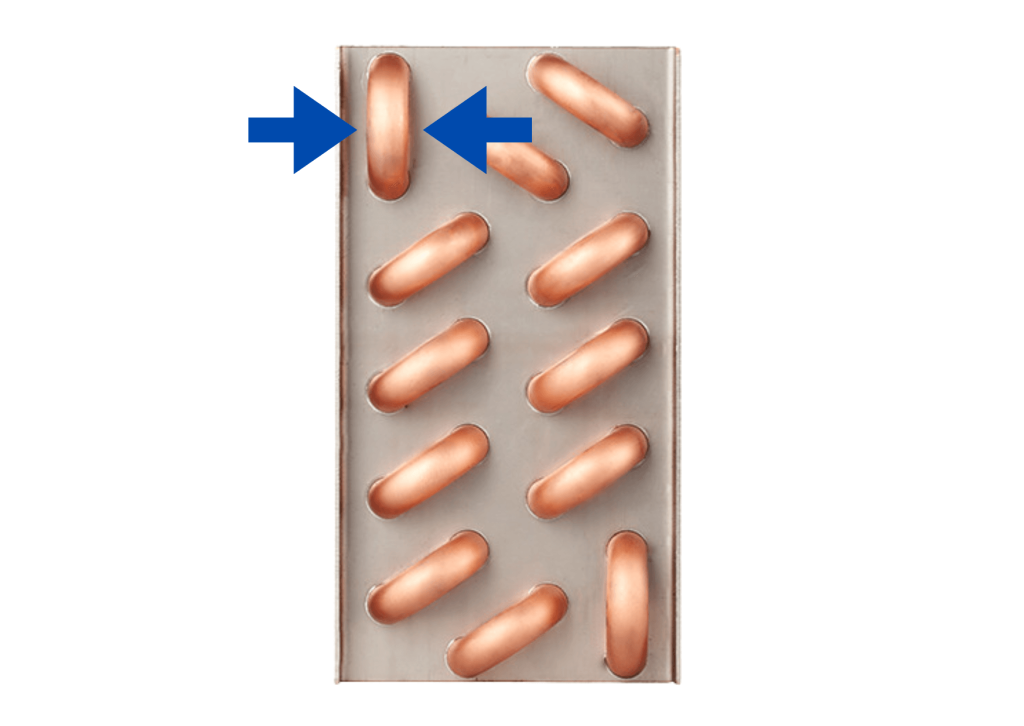
Tube Diameter

Use a caliper or tape measure to determine the outside diameter of the tubes.

If necessary, remove insulation to see the incoming and outgoing lines. Measure the diameter of the outside of the line to help determine connection size.

Standard connection types are MPT (male pipe thread), FPT (female pipe thread), and Copper Sweat Connection. MPT is threaded on the outside, FPT is threaded on the inside, and Copper Sweat is used for soldered connections

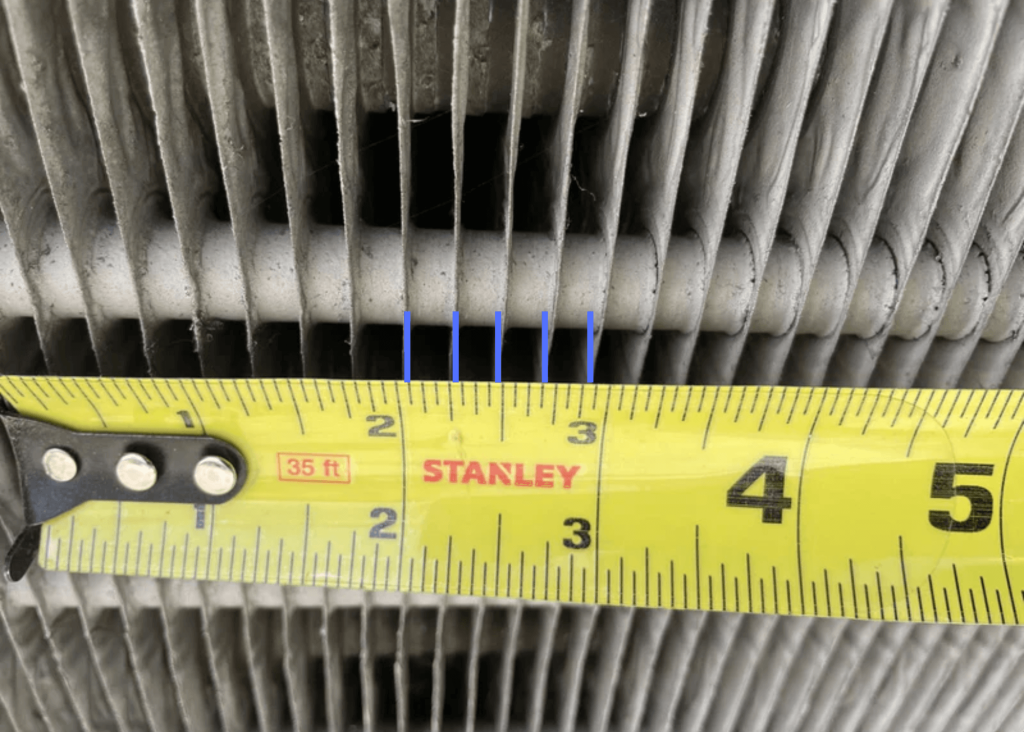
Fins per Inch

Using a ruler, count the number of fins on the coil within one inch. Normal fin counts will be between 4 and 14 FPI.

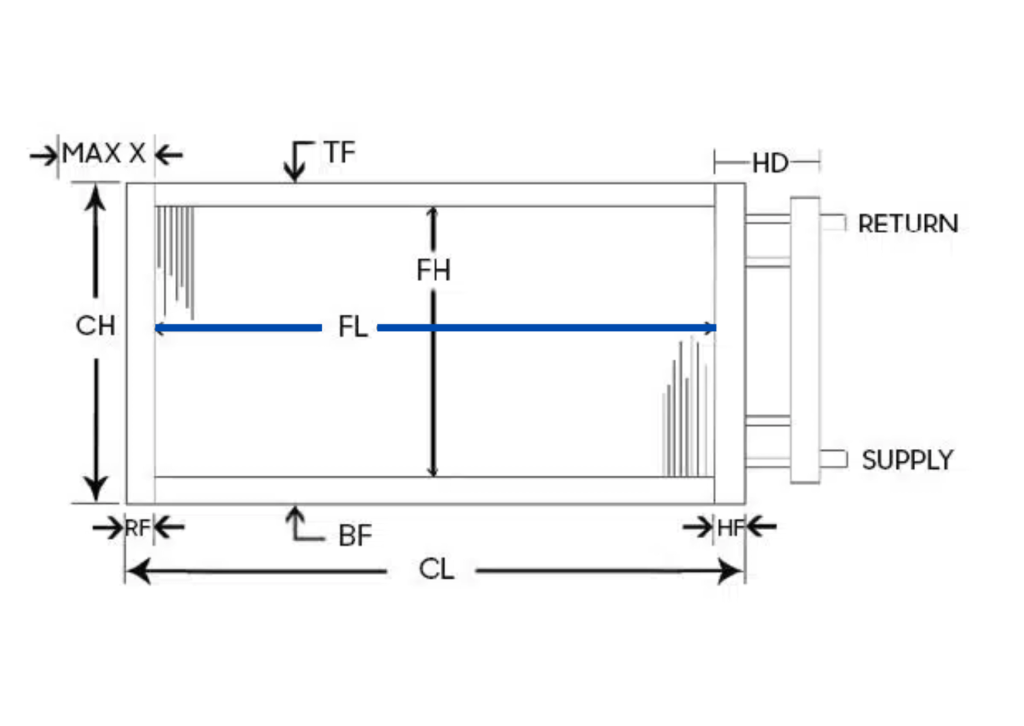
Fin Length

Measure in the direction of the tubes, regardless of which direction the tubes are running.

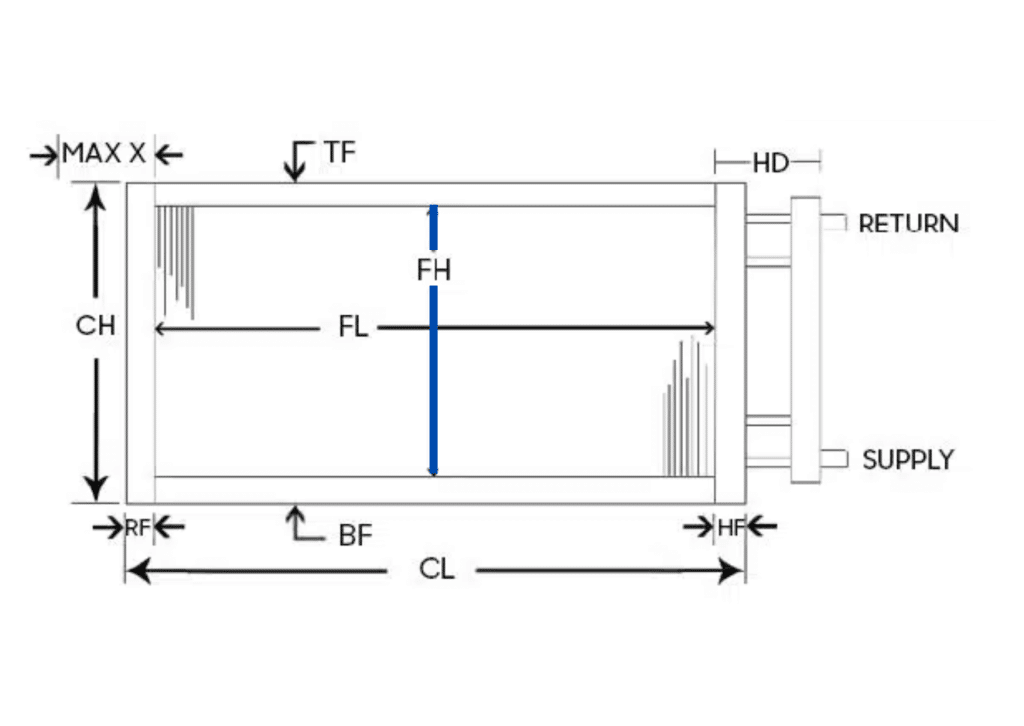
Fin Height

Measure in the direction of the fin.

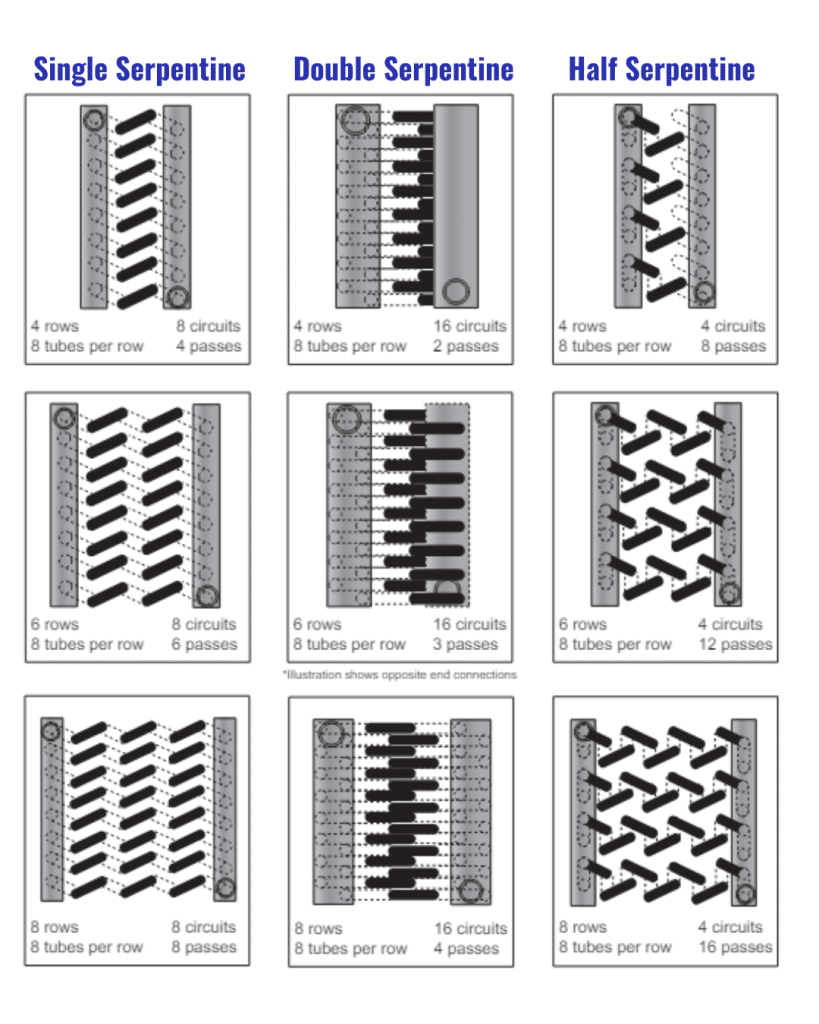
Single, Double, and Half Serpentine

Rows are counted in the direction of airflow, no matter how the coil is installed. You can count rows by looking at either the header end or the return bend end of the coil. Note that headers or return bends may not be evenly spaced across the coil.

Fluid coils—hot water, chilled water, and glycol water—regulate building air temperature by heating or cooling air in Air Handling Units (AHUs). Constructed with multiple rows of tubes, typically copper, these coils efficiently transfer heat between air and circulating fluids. They are vital for year-round comfort, accommodating diverse fluids like glycols and thermal oils for varied HVAC needs.

Condenser coils transfer heat from refrigerant vapor to the outdoor air, ensuring efficient cooling in HVAC and refrigeration systems. Constructed from materials like copper or aluminum to maximize heat transfer, these coils are vital for maintaining precise temperature control in industrial and commercial environments.

Steam coils utilize the latent heat of steam, released during condensation from vapor to liquid. They feature efficient condensate management to prevent water buildup and ensure uniform steam distribution. Available in configurations for high and low-pressure applications, steam coils are highly effective for heating air in a wide range of environments.

Evaporator coils absorb heat from indoor air to cool and dehumidify spaces by evaporating refrigerant from liquid to vapor. Located indoors, these coils are essential for maintaining comfortable environments in industrial and commercial settings, offering excellent performance in cooling, process cooling, and dehumidification applications. They are versatile for use in Air Handling Units (AHUs), central systems, or duct installations.