ECSI

Energy Conservation Systems and Innovations & Lincoln Associates

Energy Conservation Systems & Innovations (ECSI) is a leading provider of innovative HVAC solutions designed to enhance energy efficiency and improve indoor air quality. With a focus on sustainability and advanced technology, ECSI offers a wide range of HVAC systems that help businesses reduce energy consumption, lower operating costs, and create healthier indoor environments.

At Lincoln Associates, we proudly partner with ECSI to bring these cutting-edge solutions to our clients. Together, we provide expert consultation, custom system design, installation, and ongoing maintenance to ensure that your HVAC systems operate at peak performance while reducing environmental impact and energy costs.
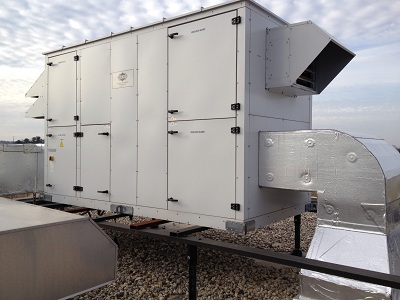
Why Choose ECSI?

  • Expertise: With years of experience in the HVAC industry, ECSI has the knowledge and skills to provide effective, reliable, and energy-efficient solutions.
  • Innovation: ECSI is committed to staying at the forefront of HVAC technology, continually developing innovative solutions that save energy and improve comfort.
  • Customization: Every HVAC system is designed to meet the specific needs of the client and application, ensuring maximum efficiency and performance.
  • Comprehensive Support: Partnering with Lincoln Associates, ECSI offers expert consultation, custom design services, installation, and ongoing maintenance to ensure long-lasting, efficient systems.
  •  

Benefits of ECSI

Energy Efficiency

ECSI HVAC systems are engineered to reduce energy usage, helping businesses lower their utility bills while ensuring optimal indoor comfort. By using energy-efficient components and designs, ECSI helps clients achieve long-term cost savings.

Customization for Every Need

ECSI offers tailored HVAC solutions designed to meet the specific requirements of any space. Whether for commercial offices, industrial facilities, or healthcare environments, ECSI’s systems are built to address the unique needs of each application.

Improved Indoor Air Quality

ECSI’s HVAC systems feature advanced filtration and ventilation technologies that significantly improve indoor air quality, reducing allergens, dust, and other pollutants for a healthier environment.

Sustainability & Environmental Impact

ECSI’s energy-efficient systems are designed to minimize environmental impact. By reducing energy consumption and promoting sustainability, ECSI helps businesses align with green building standards and reduce their carbon footprint.

Industries Served

ECSI delivers tailored HVAC solutions to a diverse range of industries, ensuring optimal performance, energy efficiency, and air quality:

  • Commercial: Office buildings, retail spaces, hospitality establishments.
  • Industrial: Manufacturing plants, warehouses, and distribution centers.
  • Healthcare: Hospitals, medical clinics, and laboratories with strict environmental controls.
  • Educational Institutions: Schools, universities, and other educational facilities requiring efficient and reliable HVAC systems.
Southeast United States Industrial HVAC & Refrigeration Services

Consulting

Lincoln Associates offers expert consulting services for industrial HVAC air curtains from Mars, helping businesses identify the most effective air curtain solutions for their specific needs. By evaluating factors such as building layout, airflow requirements, and operational goals, their team ensures that the recommended air curtains provide maximum efficiency and protection. With deep knowledge of Mars air curtain products, Lincoln Associates guides clients through the selection process to identify the best fit for their industrial or commercial space.

Design

Lincoln Associates specializes in custom design services for Mars Industrial HVAC air curtains, creating tailored solutions that integrate well with the unique architecture of each facility. Our team of engineers takes into account specific industry requirements, such as temperature control, contamination prevention, and operational flow, to design systems that enhance both performance and efficiency. With a focus on optimizing air curtain placement and functionality, Lincoln Associates ensures a perfect match for any commercial or industrial application.

Integration

Seamless system integration is a key offering from Lincoln Associates and Mars Industrial HVAC air curtains work flawlessly within an existing HVAC infrastructure. Our experienced technicians handle the entire process, from installation to system calibration, to ensure optimal performance of the air curtains. By carefully integrating the Mars air curtain systems with other HVAC components, Lincoln Associates maximizes energy efficiency, improves air quality, enhances overall environmental control, and ensures long-term operational sustainability for the space.
Lincoln Associates - Industrial HVAC Air Curtains Experts in Tampa, Florida

Lincoln Associates

Contact Lincoln Associates Today.

*Our Customer Support Team will contact you within 24 hours during normal business operations. 
Scroll to Top
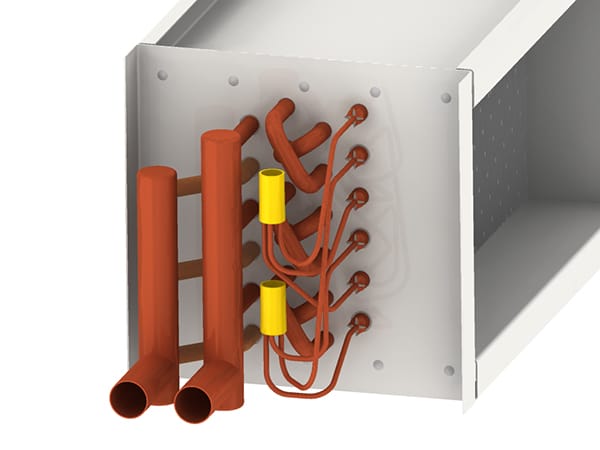
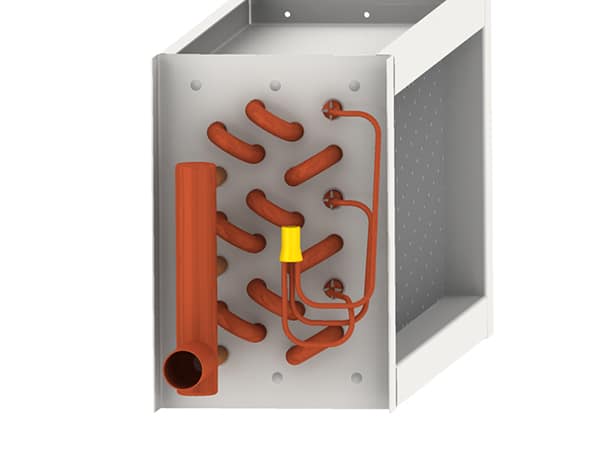
Evaporator Coil - Single-Circuit

Single Circuit

Evaporator Coil - Intertwined

Intertwined

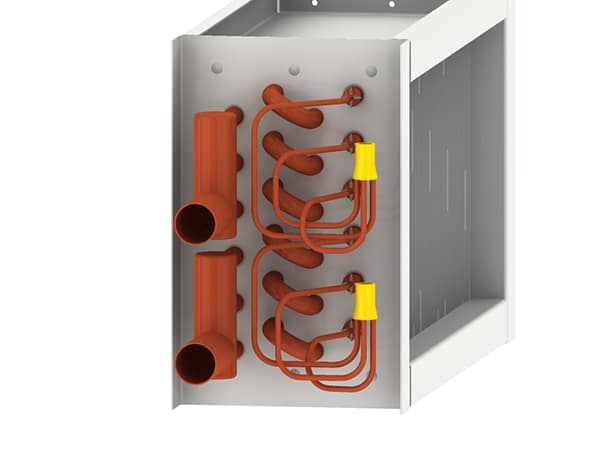
Evaporator Coil - Split Face

Face Split face

Tube Diameter

Use a caliper or tape measure to determine the outside diameter of the tubes.

If necessary, remove insulation to see the incoming and outgoing lines. Measure the diameter of the outside of the line to help determine connection size.

Standard connection types are MPT (male pipe thread), FPT (female pipe thread), and Copper Sweat Connection. MPT is threaded on the outside, FPT is threaded on the inside, and Copper Sweat is used for soldered connections

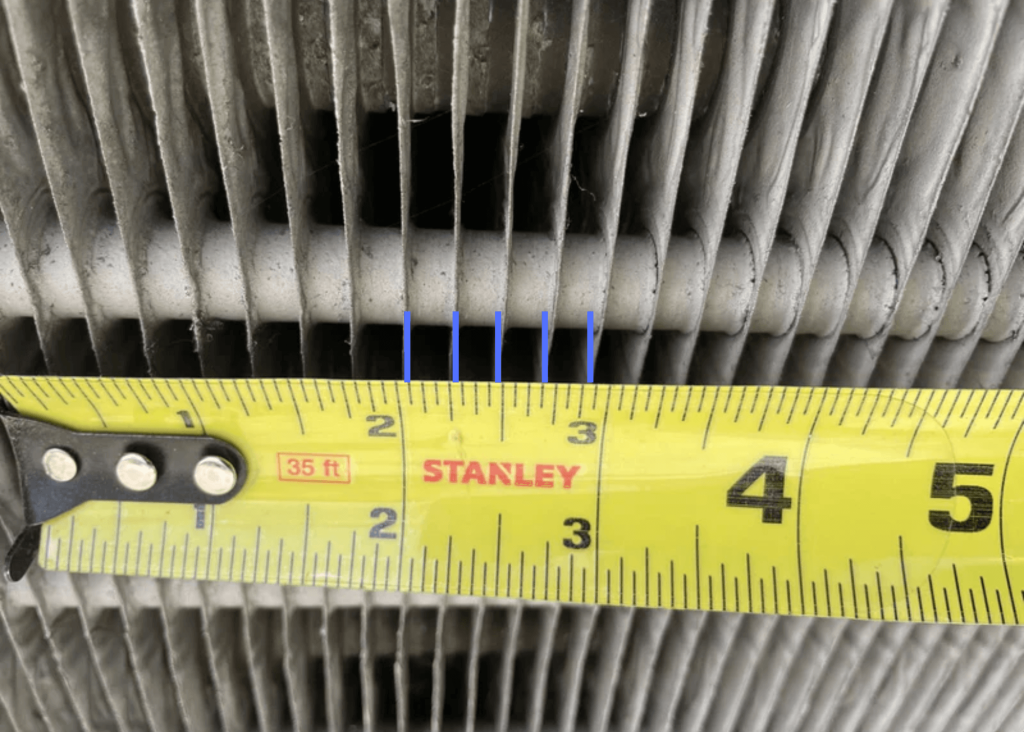
Fins per Inch

Using a ruler, count the number of fins on the coil within one inch. Normal fin counts will be between 4 and 14 FPI.

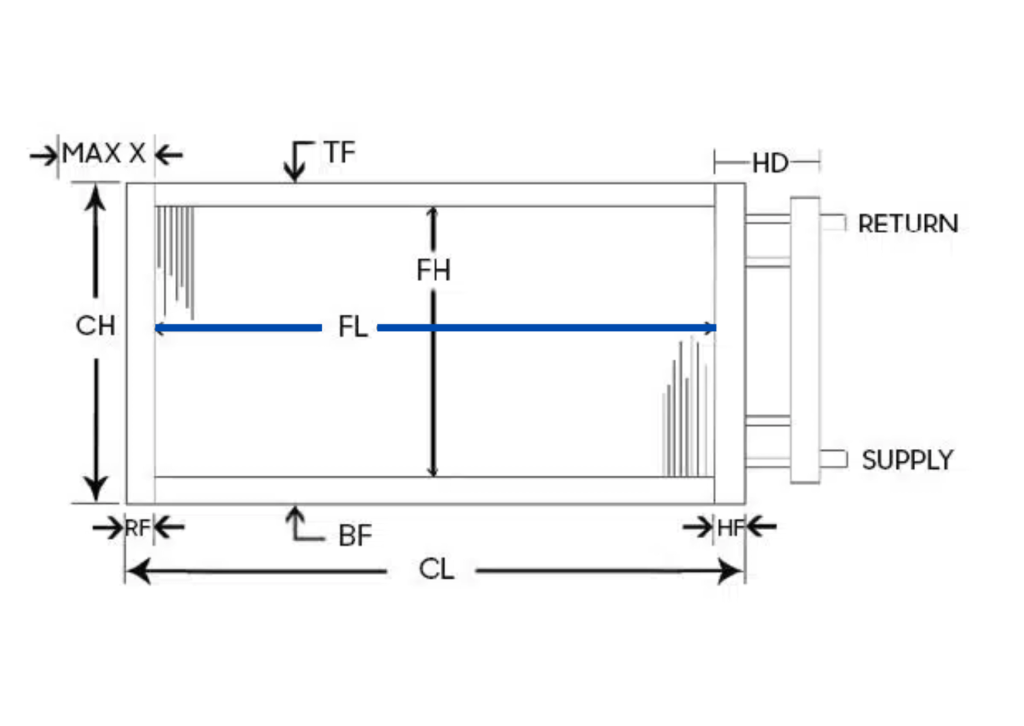
Fin Length

Measure in the direction of the tubes, regardless of which direction the tubes are running.

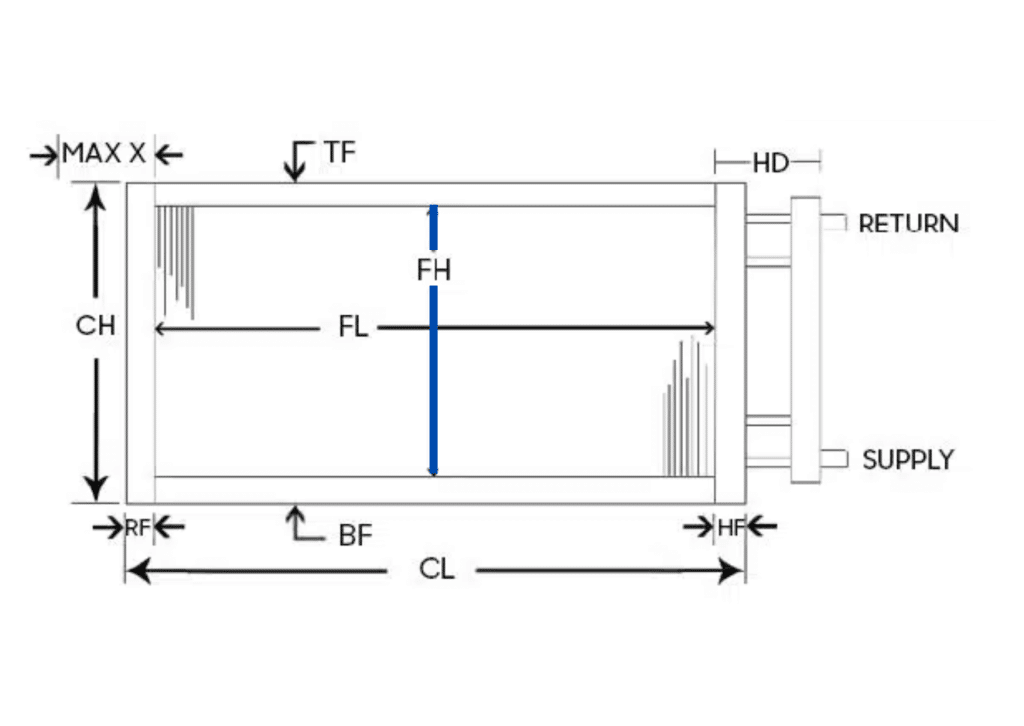
Fin Height

Measure in the direction of the fin.

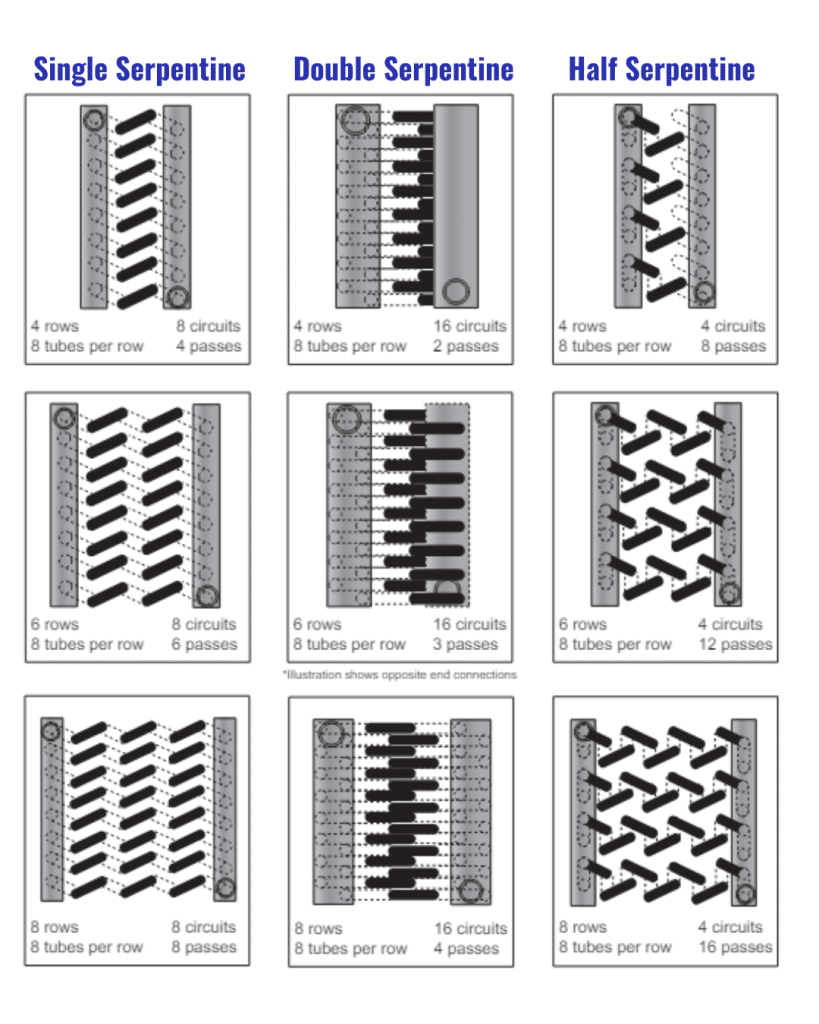
Single, Double, and Half Serpentine

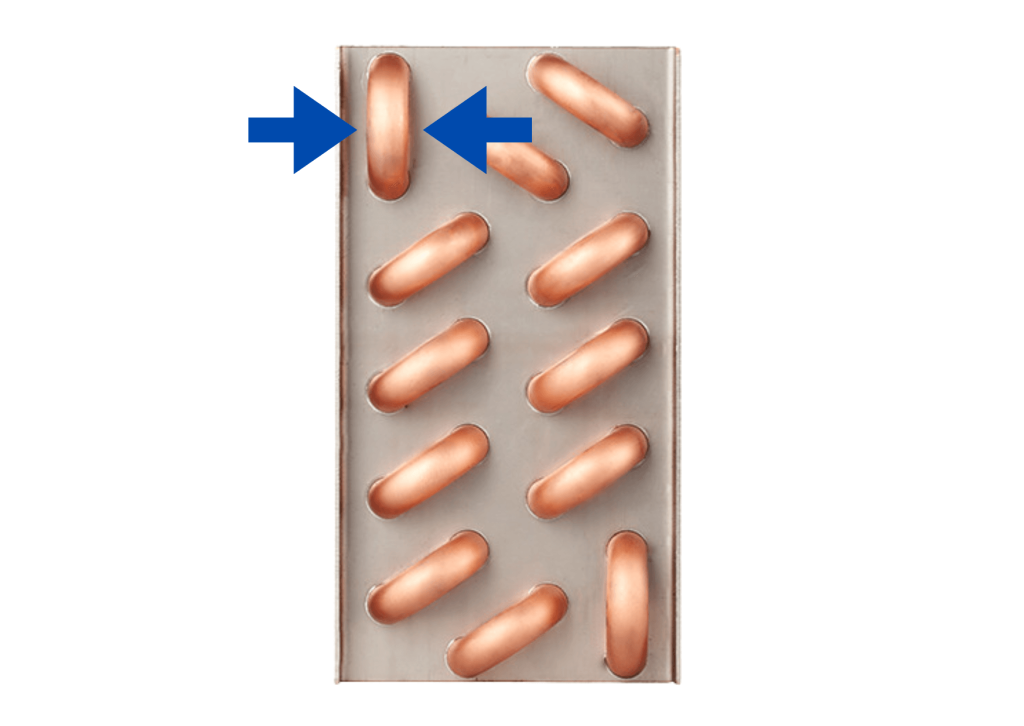
Rows are counted in the direction of airflow, no matter how the coil is installed. You can count rows by looking at either the header end or the return bend end of the coil. Note that headers or return bends may not be evenly spaced across the coil.

Fluid coils—hot water, chilled water, and glycol water—regulate building air temperature by heating or cooling air in Air Handling Units (AHUs). Constructed with multiple rows of tubes, typically copper, these coils efficiently transfer heat between air and circulating fluids. They are vital for year-round comfort, accommodating diverse fluids like glycols and thermal oils for varied HVAC needs.

Condenser coils transfer heat from refrigerant vapor to the outdoor air, ensuring efficient cooling in HVAC and refrigeration systems. Constructed from materials like copper or aluminum to maximize heat transfer, these coils are vital for maintaining precise temperature control in industrial and commercial environments.

Steam coils utilize the latent heat of steam, released during condensation from vapor to liquid. They feature efficient condensate management to prevent water buildup and ensure uniform steam distribution. Available in configurations for high and low-pressure applications, steam coils are highly effective for heating air in a wide range of environments.

Evaporator coils absorb heat from indoor air to cool and dehumidify spaces by evaporating refrigerant from liquid to vapor. Located indoors, these coils are essential for maintaining comfortable environments in industrial and commercial settings, offering excellent performance in cooling, process cooling, and dehumidification applications. They are versatile for use in Air Handling Units (AHUs), central systems, or duct installations.