Steam Distributing Coils for HVAC Systems
Steam distributing coils are engineered to deliver uniform heat transfer within steam systems that demand controlled condensate management and stable air temperatures. These coils are designed with internal tube distribution to promote balanced steam flow and reduce condensate accumulation. In commercial and industrial heating environments, steam distributing coils protect system reliability and thermal consistency.
Lincoln Associates supplies replacement steam distributing coils compatible with major air handling units and industrial HVAC assemblies. Our team supports accurate specification and dependable sourcing for critical steam applications.
What Are Steam Distributing Coils and Why Do They Matter?
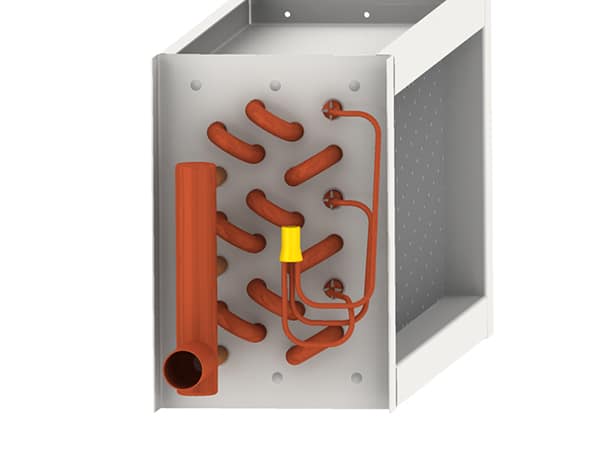
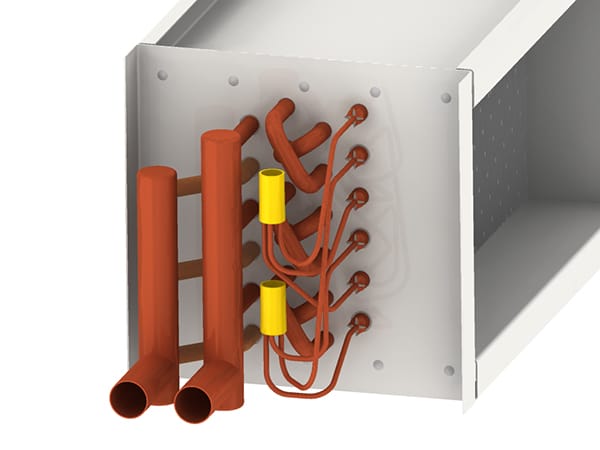
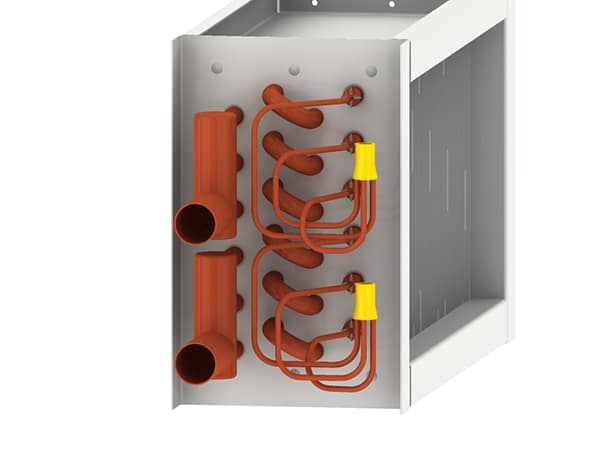
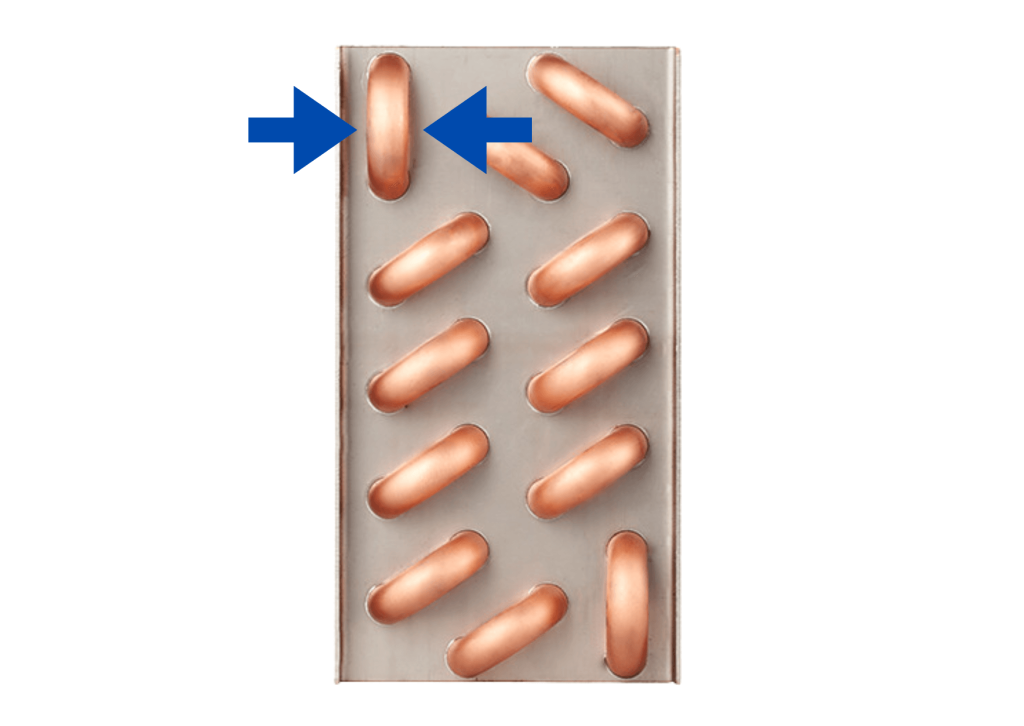
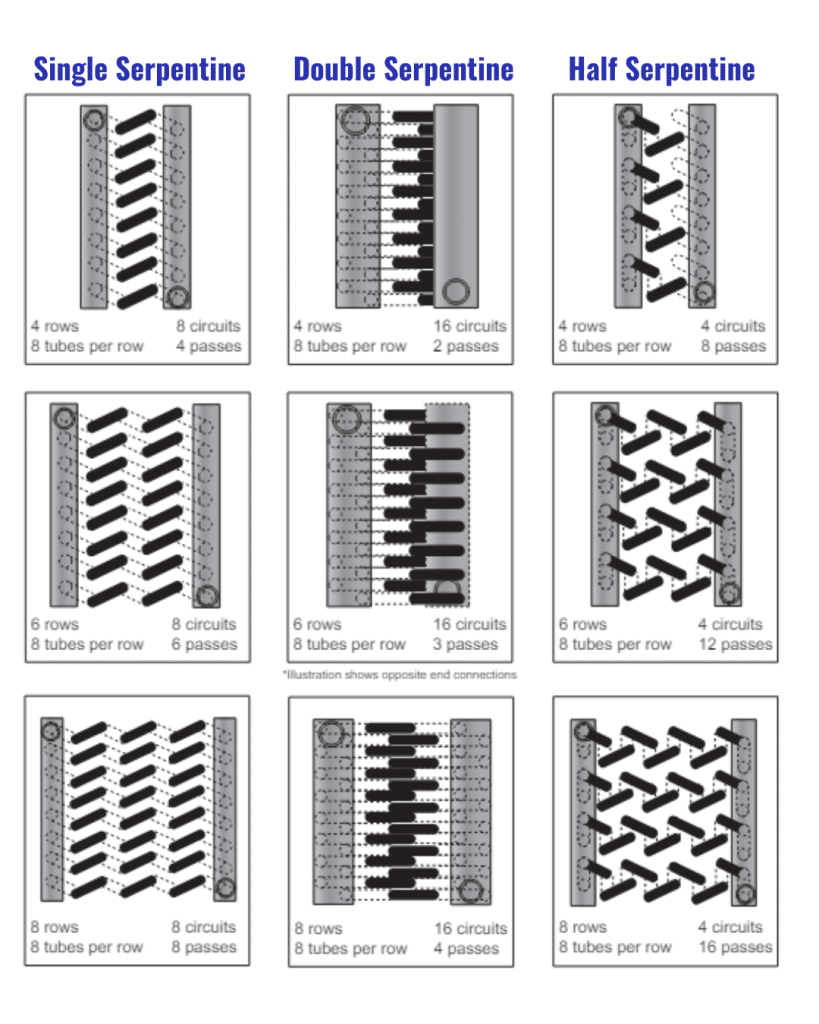
Steam distributing coils incorporate internal tube circuits that distribute steam evenly across the coil face. This design supports consistent heat transfer while improving condensate control. By managing steam velocity and drainage, these coils reduce the risk of water hammer and thermal stress.
When steam systems experience uneven heating, condensate binding, or corrosion-related failures, overall HVAC efficiency declines. Heating output becomes inconsistent and energy use rises. HVAC coil replacement restores balanced heat distribution and protects upstream steam components.
Replacement is often recommended when tube erosion, leakage, or freeze damage compromises performance.
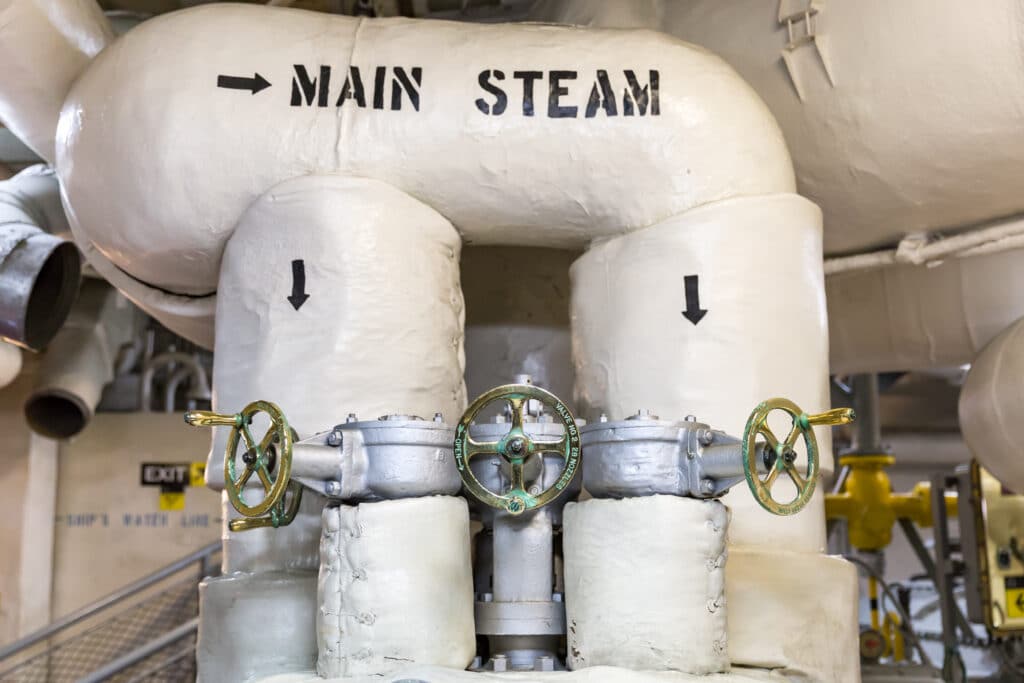
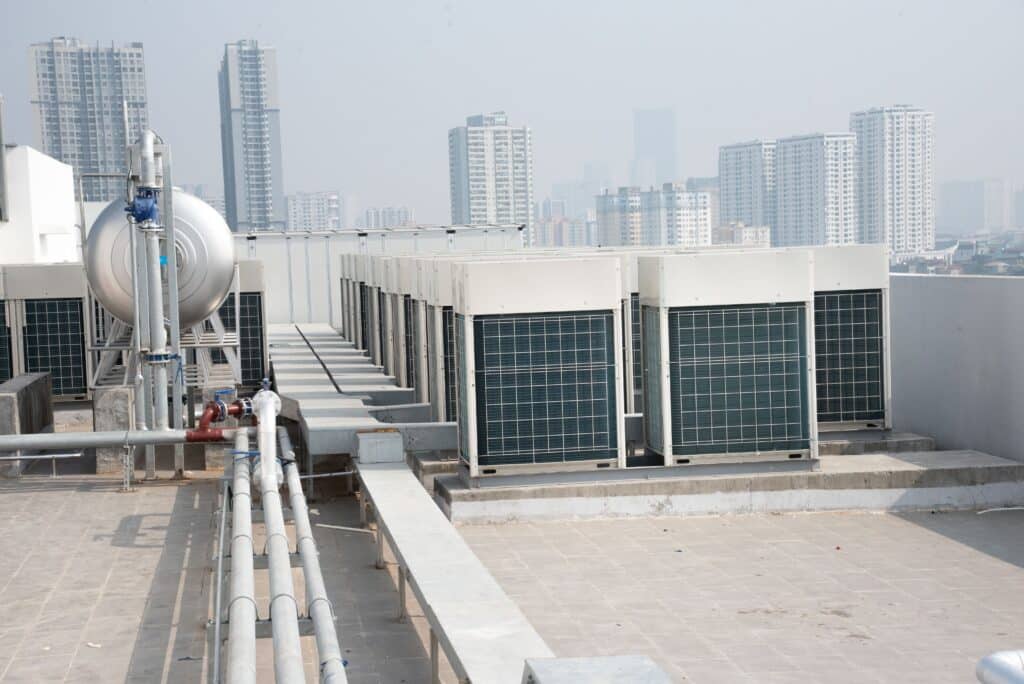
Applications of Steam Distributing Coils
Steam distributing coils are commonly installed in:
- Industrial HVAC systems serving manufacturing environments
- Commercial air handlers requiring controlled steam heat
- Institutional buildings with centralized steam systems
These heating coils integrate directly with broader Heating Systems infrastructure and are frequently installed within large-scale Air Handling Equipment assemblies. In many facilities, central steam plants serve multiple air handling units, making consistent condensate control and balanced heat transfer essential for stable building performance.
As an experienced HVAC replacement parts supplier, Lincoln Associates ensures dimensional accuracy, pressure compatibility, and long-term reliability within demanding steam systems.
Features and Benefits
Our steam distributing coils offer:
- Engineered tube circuits that enhance heat transfer
- Improved condensate drainage for stable operation
- Heavy-duty materials suited for high-pressure steam systems
- Pressure-tested construction to support safe, reliable heating
Durable coil construction extends service life while supporting consistent thermal output across varying load conditions.
Manufacturers and Brands We Distribute
We source steam distributing coils from established manufacturers with expertise in steam systems and controlled heat transfer. Lincoln Associates provides responsive sourcing, accurate specifications, and reliable product performance in demanding heating environments.
Our partners meet strict standards for durability, pressure integrity, and condensate management.







Why Choose Us for Your Steam Distributing Coil
Our team provides:
- Technical guidance aligned with steam system design parameters
- Custom coil solutions for demanding industrial heating applications
- Coordinated project support from specification through delivery
- Integration expertise aligned with broader infrastructure
We help ensure predictable heat transfer, managed condensate flow, and durable performance in high-demand industrial systems.


Lincoln Associates
Headquarters
-
800 Battery Avenue SE, Suite 300
Atlanta, GA 30339 -
(770) 425-1500(770) 425-1500
- [email protected]
Request a Quote or Contact Us
To get a quote for steam distributing coils or discuss condensate control requirements, complete our coils form or contact Lincoln Associates directly for immediate assistance.