Economizer Coils for HVAC Systems
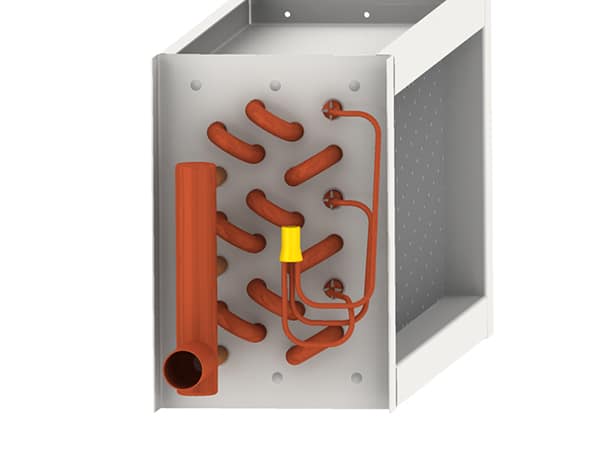
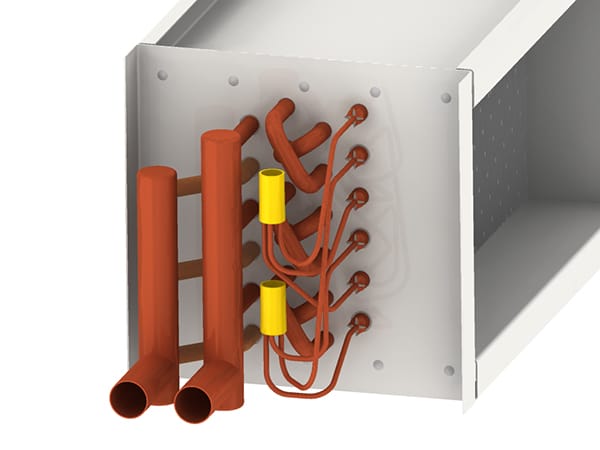
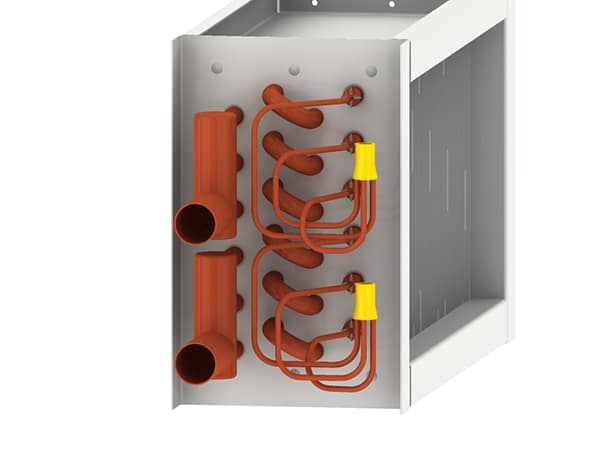
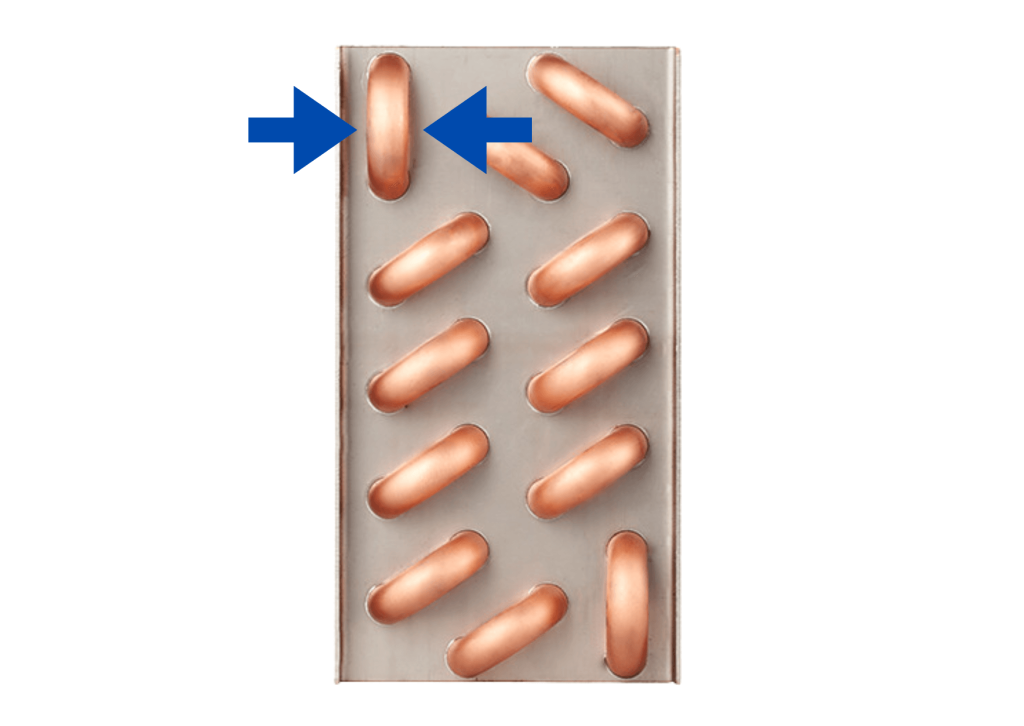
Economizer coils are specialized components used in HVAC economizer configurations to support free cooling and reduce mechanical load. These energy-saving coils improve overall HVAC efficiency by leveraging outdoor air conditions or fluid-side economizing strategies to offset compressor runtime. In commercial and industrial facilities, properly functioning economizer coils directly influence operating costs and system longevity.
Lincoln Associates supplies replacement economizer coils engineered for compatibility with major air handling systems, rooftop units, and custom HVAC assemblies. Our team supports contractors and facility managers with responsive sourcing and application-focused guidance.
What Are Economizer Coils and Why Do They Matter?
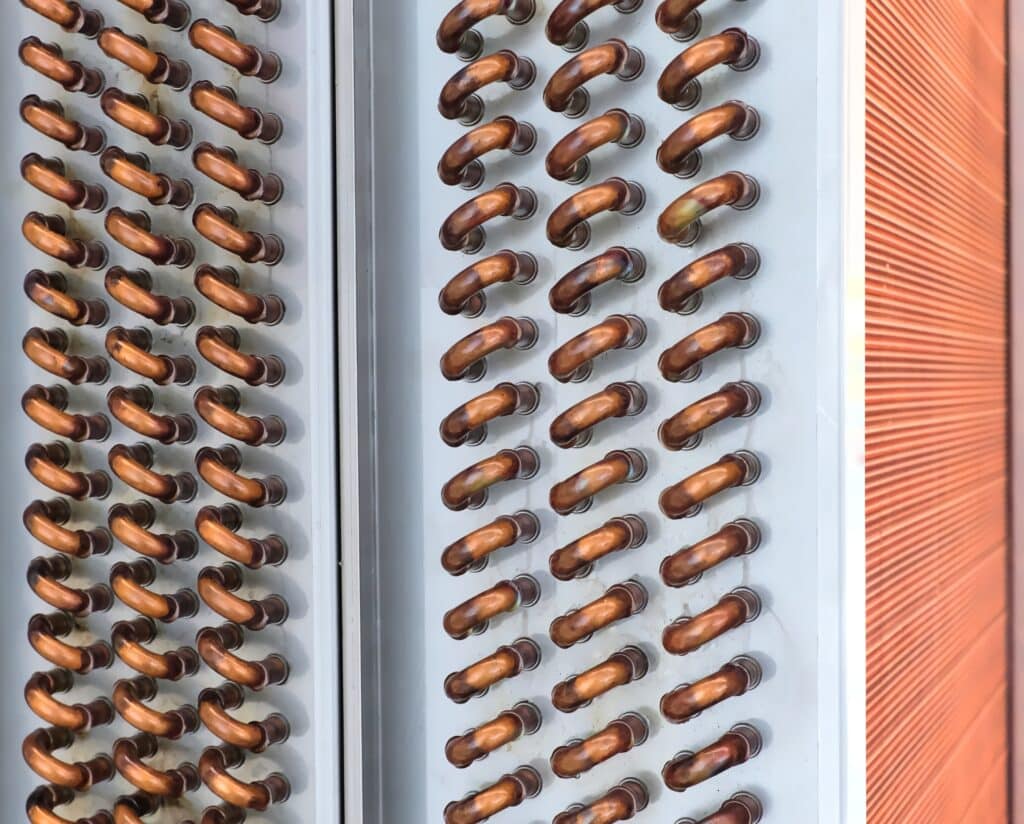
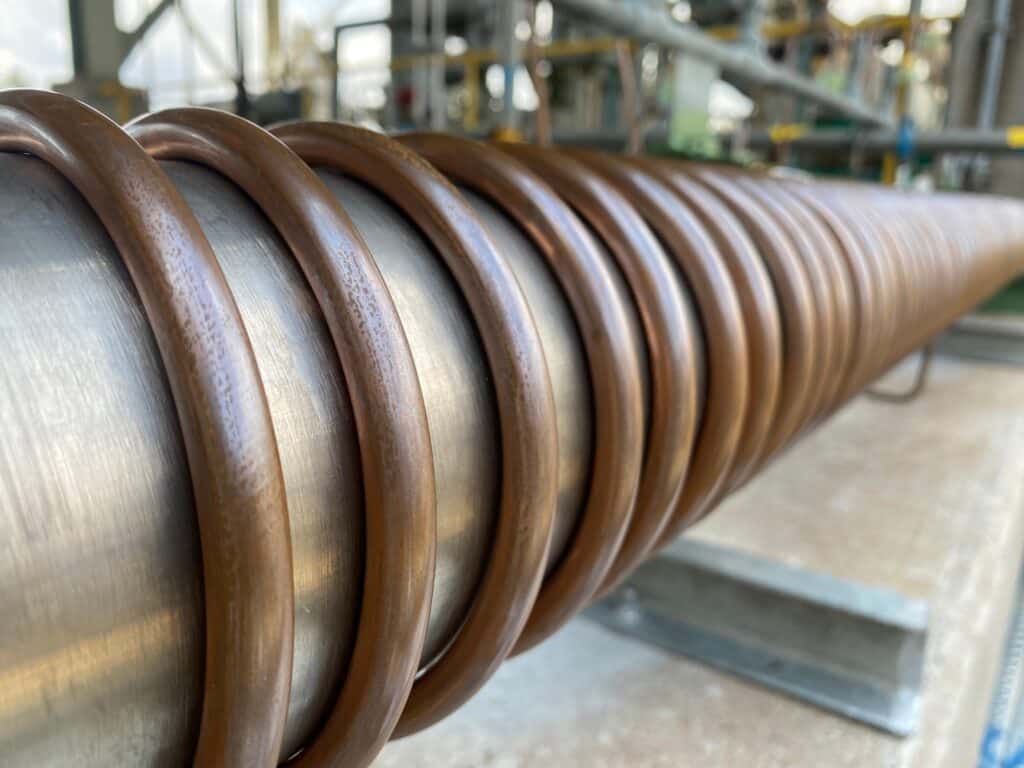
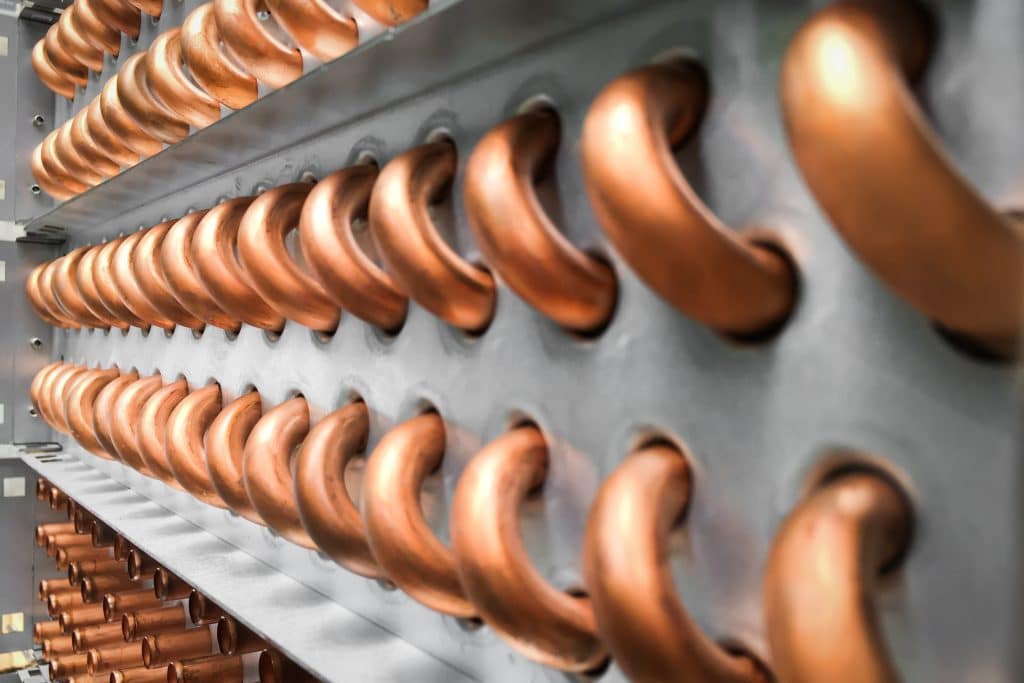
Economizer coils enable free cooling by transferring heat through chilled-water or refrigerant circuits when ambient conditions allow partial or full-load reduction. In water-side systems, economizer coils integrate with cooling towers and plate heat exchangers. In air-side configurations, they work within the HVAC economizer section of an air handler to reduce compressor demand.
When coils foul, corrode, or lose pressure integrity, system performance declines. Reduced heat transfer increases mechanical cooling hours and raises energy consumption. Airflow resistance may increase due to fin damage or debris accumulation. HVAC coil replacement restores proper capacity and protects long-term HVAC efficiency.
Facilities often consider replacement when experiencing declining seasonal efficiency, visible coil deterioration, or refrigerant leakage that compromises performance.
Applications of Economizer Coils
Economizer coils are commonly used in:
- Commercial office buildings with air-side economizer strategies
- Industrial HVAC systems with water-side free cooling
- Institutional facilities seeking energy optimization
These commercial HVAC coils integrate with air handlers, rooftop units, and central plant systems to reduce mechanical cooling demand during favorable outdoor conditions. In many facilities, economizer strategies operate alongside broader Energy Recovery systems designed to improve seasonal efficiency and lower overall energy consumption.
As an experienced HVAC parts distributor, Lincoln Associates ensures dimensional compatibility and thermal performance alignment with existing system specifications.
Features and Benefits
Our replacement economizer coils are designed for:
- High thermal efficiency to maximize free cooling contribution
- Durable coil construction with corrosion-resistant materials
- Pressure-tested assemblies for reliable operation
- OEM-aligned dimensions that simplify field installation
Each coil meets performance expectations for energy-efficient coils used in demanding environments. Improved heat transfer reduces compressor runtime and supports measurable energy savings across seasonal operation.
Manufacturers and Brands We Distribute
We supply economizer coils through a network of proven heat transfer manufacturers serving commercial and industrial HVAC markets. As an experienced HVAC distributor, we ensure accurate specifications, dependable lead times, and verified product quality.
Each partner is selected for performance, engineering consistency, and long-term reliability in energy-efficient applications.




Why Choose Us for Your Economizer Coil
Lincoln Associates provides technical depth backed by decades of HVAC system experience. Customers rely on us for:
- Application-specific selection support
- Custom coil solutions for non-standard geometries
- Coordinated delivery aligned with project schedules
- Ongoing support tied to broader HVAC Replacement Coils needs
Our engineering-focused approach supports sustainable energy strategies and long-term system performance.

Lincoln Associates
Headquarters
-
800 Battery Avenue SE, Suite 300
Atlanta, GA 30339 -
(770) 425-1500(770) 425-1500
- [email protected]
Request a Quote or Contact Us
For replacement coil pricing or HVAC coil inquiry support, submit your specifications through our coils form or contact your local representative.
*Our team will respond promptly with technical review and lead time guidance.