Mars
Mars ETL Sanitation Certified LoPro 2 Air Curtains
ETL Sanitation Certified LoPro 2 Models for Foodservice, Clean Environments & Insect Control
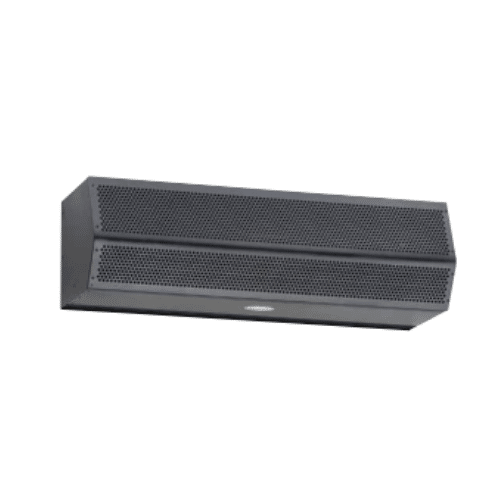
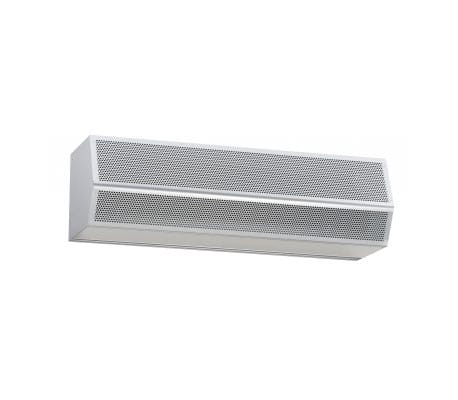
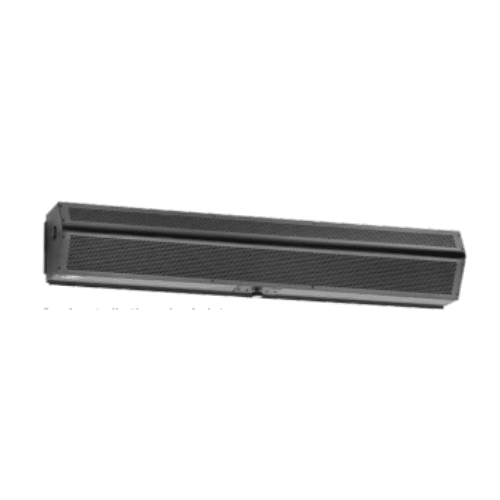
The Mars ETL Sanitation Certified LoPro 2 Air Curtains include LPN2 models designed for foodservice and hygiene-sensitive applications that require low-profile air separation with sanitation certification. As part of Lincoln Associates’ Mars Air Curtains product offering, the LPN2 Series gives facilities a sanitation-certified option based on the sleek LoPro 2 design.
These air curtains help reduce the entry of flying insects, airborne contaminants, dust, and unconditioned air through active openings. For commercial applications that do not require ETL Sanitation Certification, view the Mars LoPro 2 Series Air Curtains page for standard LPV2 models designed for low-profile commercial entrances and general environmental separation.
Highlights
- ETL Sanitation Certified
- NSF/ANSI 37 approved
- Low-profile 8" design
- 1/6 HP direct-drive motor
- Certified for heights up to 7'
Additional Information
Description
The Mars ETL Sanitation Certified LoPro 2 LPN2 is a low-profile air curtain designed for foodservice, sanitary, and clean-environment applications. The unit creates an invisible air barrier across openings to help separate interior spaces from insects, outdoor air, dust, and airborne contaminants.
LPN2 models share the clean, consumer-friendly design of the LoPro 2 Series while adding ETL Sanitation Certification for foodservice applications. This makes them a strong fit for facilities that need environmental separation without a physical barrier and must account for hygiene, cleanliness, and sanitation requirements.
Key Features of the ETL Sanitation Certified LoPro 2
-
ETL Sanitation Certified Design
LPN2 units are approved for sanitation-sensitive applications under NSF/ANSI 37. -
Low-Profile Construction
The compact 8″ profile supports installations where space, clearance, or appearance are important. -
Flying Insect Protection
Creates an air barrier to reduce entry of flying insects at active foodservice and facility openings. -
Durable Metal Design
Commercial-grade construction supports long-term performance in busy environments. -
Easy Installation
Mounting features support straightforward installation above applicable door openings. -
Low Maintenance
Designed for reliable operation with minimal disruption to facility workflows.
Benefits of the LPN2 Models
The LPN2 models help facilities maintain cleaner interior conditions by reducing insect infiltration, airborne contaminant movement, and uncontrolled air exchange through active openings. This supports food safety programs, sanitation goals, and environmental control in restaurants, commercial kitchens, foodservice facilities, and clean work areas.
Because the LPN2 uses a low-profile design, it can provide sanitation-certified air separation without creating an intrusive visual presence or restricting movement through the opening. For facilities also reviewing indoor air quality systems, sanitation-certified air curtains can support a broader contamination-control strategy.
Its unobstructed design allows doors and entrances to remain accessible without slowing workflow or customer movement. For buildings also evaluating commercial and industrial air handling equipment, air curtains can support a broader strategy for airflow management and environmental control.
ETL Sanitation Certified LoPro 2 Applications

Restaurants & Food Service
Help reduce flying insect entry and outdoor air infiltration at customer entrances, service doors, and receiving areas.

Commercial Kitchens
Support cleaner separation between kitchen spaces, service corridors, receiving doors, and adjacent facility areas.

Grocery Stores
Maintain environmental separation at public entrances, service openings, and food-adjacent spaces.

Food Processing Support Areas
Help reduce airborne contaminants and insect movement near controlled production or packaging spaces.
Why Work with Lincoln Associates for Mars Air Systems?
Lincoln Associates supports Mars Air Systems product selection for commercial, foodservice, sanitary, and industrial facility applications. Our team helps owners, contractors, and engineers evaluate air curtain needs based on opening size, mounting conditions, sanitation requirements, traffic patterns, and environmental control goals.
Serving Florida, Georgia, and surrounding Southeast markets, Lincoln Associates provides technical support from application review through specification and installation planning.
ETL Sanitation Certified LoPro 2 Resources

Frequently Asked Questions
It is the LPN2 version of Mars’ LoPro 2 air curtain, designed for foodservice and sanitation-sensitive applications requiring ETL Sanitation Certification.
The standard LPV2 LoPro 2 is designed for general commercial applications. The LPN2 version uses the LoPro 2 design but adds ETL Sanitation Certification for foodservice applications.
Yes. Mars identifies LPN2 units as ETL Sanitation approved under NSF/ANSI 37.
Yes. The LPN2 creates an air barrier that helps reduce flying insect entry through active openings.
Yes. By limiting conditioned air loss, the LPN2 can help reduce HVAC load while supporting cleaner indoor conditions.
Yes. Lincoln Associates can help compare LoPro 2 and LPN2 models and recommend a Mars air curtain configuration suited to the application.
Interested in an ETL Sanitation Certified LoPro 2?
Whether supporting a restaurant, commercial kitchen, grocery store, foodservice area, or other hygiene-sensitive environment, Lincoln Associates can help select the right Mars LPN2 air curtain for reliable insect control, environmental separation, and long-term performance.