
DOAS & Make-Up Air Systems
Custom Ventilation Solutions for Commercial & Industrial Facilities
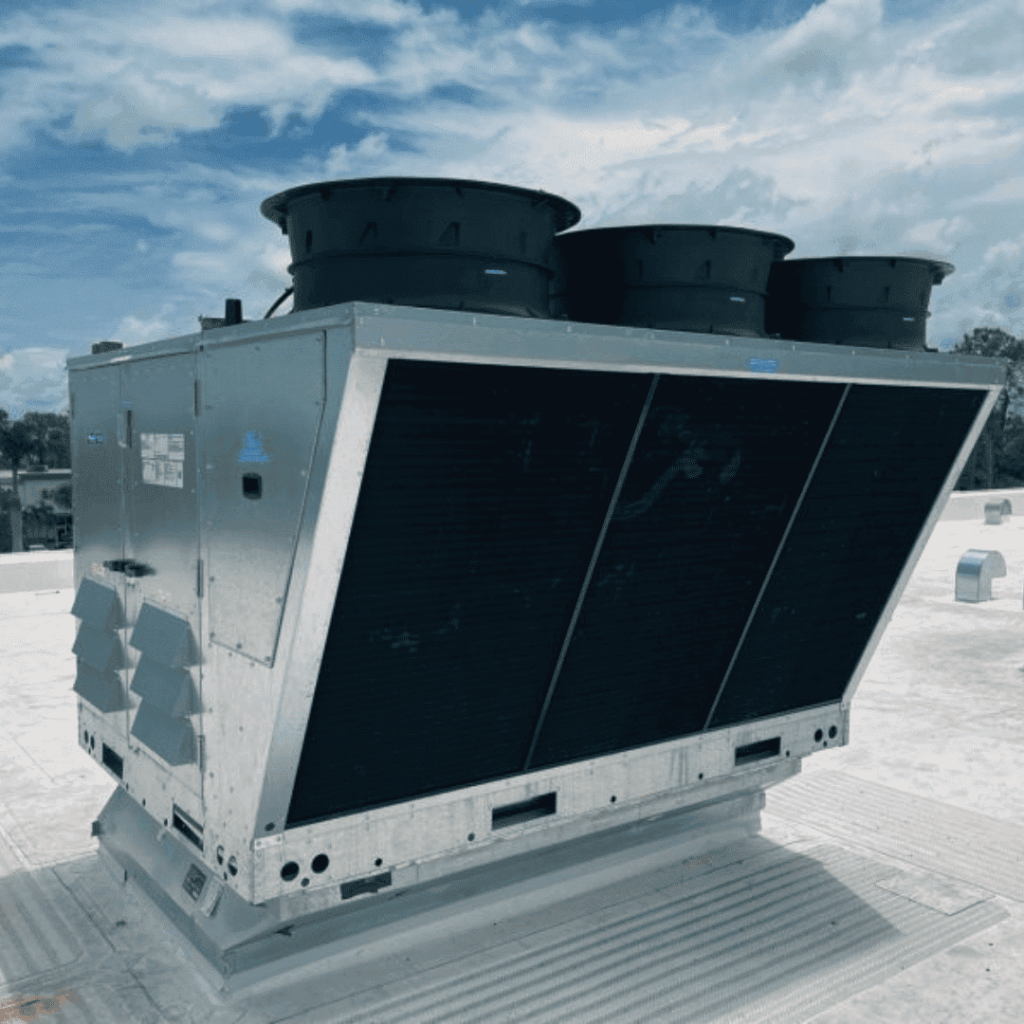
Reliable heating and cooling are essential, but without fresh, balanced air, your HVAC system can’t perform at its best. Lincoln Associates designs Dedicated Outdoor Air Systems (DOAS) and Make-Up Air Systems using Above Air Technologies, ThermoTek, and Applied Air equipment, helping commercial and industrial facilities meet ventilation codes, control humidity, and protect indoor air quality. These systems provide a steady stream of fresh, filtered air, replacing what exhaust fans remove and ensuring balanced indoor conditions that benefit both people and equipment.
Whether you manage a manufacturing floor, a healthcare facility, or a commercial building, our ventilation solutions help keep your operation running smoothly and efficiently.
Why Proper Ventilation Matters
Improper ventilation can lead to stale air, increased humidity, and mold problems, all of which compromise indoor air quality and system performance. Without proper fresh air intake, exhaust fans can pull in unfiltered, unconditioned air, leading to drafts, excess moisture, and unnecessary strain on your HVAC system. A well-designed DOAS or Make-Up Air System helps replace the air your exhaust fans remove, controls humidity, and keeps the air balanced throughout your building. This reduces indoor air quality issues and helps protect your equipment from damage due to excessive moisture.
How DOAS & Make-Up Air Systems Work
- Dedicated Outdoor Air System (DOAS): A DOAS brings in 100% outdoor air, conditions it to the right temperature and humidity, and delivers it into your building’s occupied spaces or terminal units. By separating fresh air delivery from your core HVAC system, you achieve steadier air changes, more precise humidity control, and improved air quality without overloading your main heating and cooling units. We work with Above Air Technologies for mission-critical DOAS systems, ensuring precise control for sensitive environments.
- Make-Up Air System: A Make-Up Air System replaces the air that exhaust fans pull out, ensuring your building remains balanced. Without this system, exhaust fans may draw in unconditioned air, causing drafts and excess moisture. The right Make-Up Air System helps avoid these issues, keeps your HVAC running efficiently, and ensures a comfortable and healthy indoor environment. ThermoTek and Applied Air offer reliable Make-Up Air systems designed for efficiency and durability.
Together, these systems help you:
- Supply a steady stream of fresh, filtered outdoor air
- Replace stale air and balance the building’s pressure
- Control indoor humidity to prevent mold, condensation, and equipment damage
- Reduce strain on your main HVAC systems, extending their life and efficiency
Key Components and Features
The performance of your DOAS or Make-Up Air system depends on its components. Lincoln Associates helps ensure your system includes the best features to meet your needs:
- Louvers & Dampers: Control the amount of outdoor air entering the system
- Energy Recovery Wheels: Pre-condition fresh air by capturing energy from exhausted air
- Coils: Heat or cool incoming air as needed for optimal comfort
- Variable Speed Fans: Adjust airflow based on occupancy and exhaust needs
- Controls: Automate ventilation rates and integrate with your building management system for efficiency and ease of use
Design Considerations and Best Practices
Every building has different needs. We collaborate with facility managers and contractors to ensure your DOAS or Make-Up Air system is properly sized and integrated into your existing infrastructure. Key design considerations include:
- Fresh air flow rates that meet code and occupant needs
- Proper intake and exhaust placement to prevent cross-contamination
- Energy-efficient ductwork layouts to minimize losses
- Seamless integration with your primary HVAC and control systems
- Easy access for service, filter changes, and maintenance
Getting these details right ensures that your building’s air quality is optimized, energy consumption is minimized, and your system operates efficiently.
Applications Across Industries
DOAS and Make-Up Air Systems are especially important in environments where air quality and system reliability cannot be compromised. We regularly work with:
- Healthcare & Laboratories: Controlled airflow helps maintain sterility and prevents contamination
- Schools & Universities: Steady outdoor air supports student and staff health and productivity
- Restaurants & Commercial Kitchens: Make-Up Air keeps exhaust hoods functioning and kitchens safer
- Manufacturing & Industrial Sites: Balanced ventilation replaces process exhaust and protects sensitive equipment
- Office & Retail Spaces: Fresh air supports comfort, productivity, and sustainability goals
When to Rethink Your System
If you notice issues like drafty doorways, high indoor humidity, or complaints about stuffy air, it could be time to reassess your ventilation system. Aging rooftop units or inadequate ventilation can lead to increased energy use and indoor air problems. A modern DOAS or Make-Up Air System, using Above Air Technologies, ThermoTek, or Applied Air, can solve these issues while cutting down energy waste and improving comfort.
Maintenance and Lifecycle Support
Like any HVAC system, DOAS and Make-Up Air Systems perform best with proactive care. Lincoln Associates offers lifecycle support, including:
- Scheduled Inspections: Performance checks to ensure the system is operating as designed
- Routine Maintenance: Filter changes, coil cleaning, and drainage checks
- Controls Testing: Sensor calibration and system updates for accurate performance
- Fast Parts Access: Quick access to replacement parts and system upgrades when needed
Why Choose Lincoln Associates
Clients trust Lincoln Associates for:
- Deep experience in complex ventilation and pressurization projects
- Access to premium components from Above Air Technologies, ThermoTek, and Applied Air
- Insight into the Southeast’s climate and building codes
- Strong partnerships with trusted manufacturers to ensure energy-efficient, high-performance systems
- Full involvement from system design through commissioning and beyond
Start a DOAS or Make-Up Air Project
Not sure where to begin? Our team can help assess your current ventilation system, run fresh air load calculations, and recommend the right solution for your building’s layout and budget.


