Applied Air
Applied Air & Lincoln Associates
Applied Air is a leading manufacturer of high-performance HVAC systems, specializing in flexible, energy-efficient air handling solutions for industrial and commercial applications. Their innovative systems are designed to deliver precise temperature and airflow control, helping facilities optimize energy use, maintain comfort, and ensure process reliability.
Lincoln Associates partners with Applied Air to bring these advanced systems to clients across Georgia, Alabama, Tennessee, Florida, and South Carolina. By combining Applied Air’s cutting-edge technology with Lincoln Associates’ expertise in system design, integration, and support, clients receive tailored HVAC solutions engineered to meet their unique facility needs.
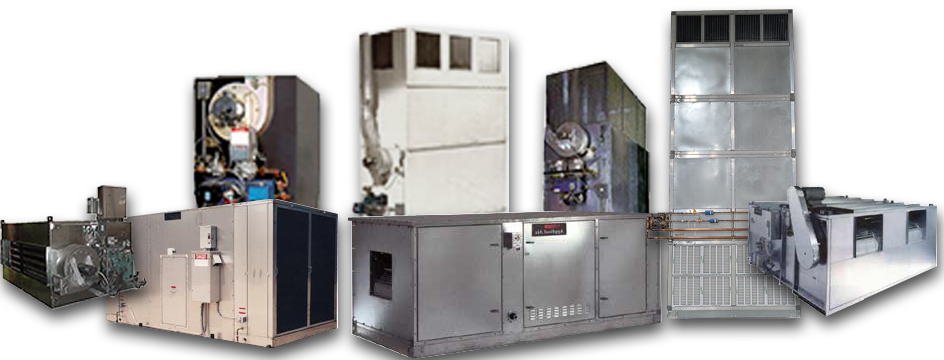
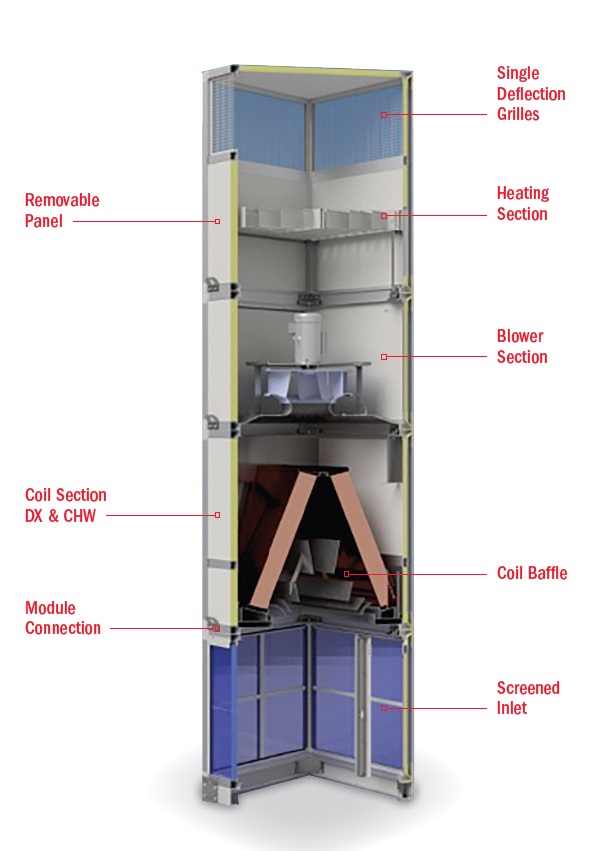
MATO – Modular Air Turnover
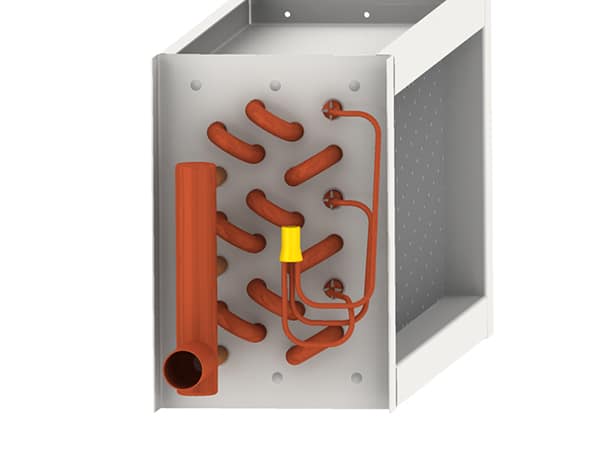
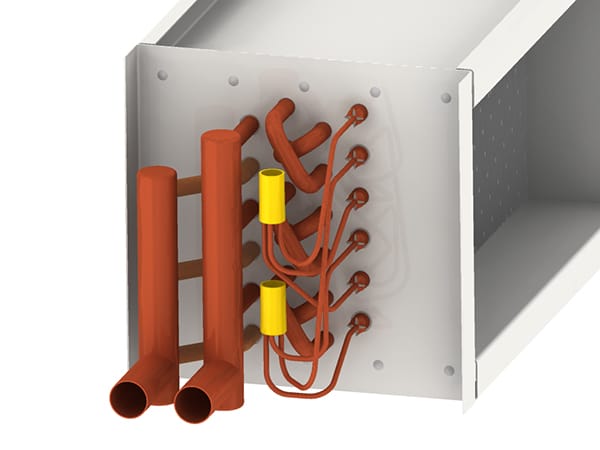
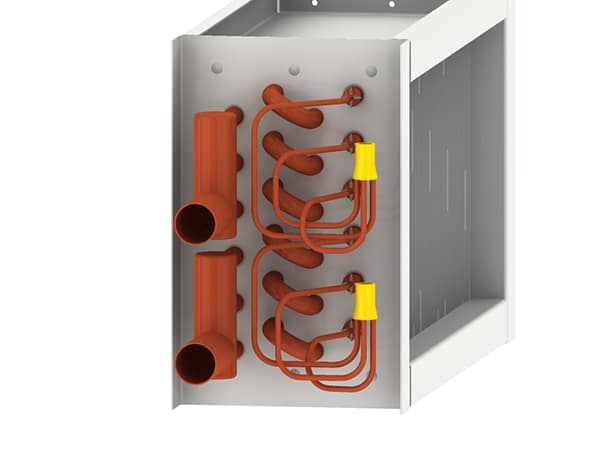
The MATO (Modular Air Turnover) unit is a flexible, modular air handling system that allows facilities to customize the components they need—without paying for unnecessary sections. Whether heating, cooling, or ventilating, the MATO unit is designed for accessibility, simplicity, and efficient maintenance.
Key features include:
Modular design for easy customization
Easily accessible panels and service doors
Reduced maintenance with no unnecessary components
Energy-efficient operation and rapid installation
Designed for industrial and commercial applications
Lincoln Associates works with clients to implement MATO units that are optimized for each facility’s specific requirements, providing consulting, installation, and ongoing support.
Benefits of Applied Air Systems
Energy Efficiency
Advanced air handling solutions reduce operating costs.
Flexible Design
Modular systems tailored to each facility’s specific needs.
Easy Maintenance
Strategically designed for simple service and accessibility.
Reliable Performance
Engineered for consistent operation across commercial and industrial applications.
Why Choose Applied Air?
Applied Air provides high-performance, customizable air handling solutions for industrial and commercial HVAC applications. Their modular MATO units, along with other Air Handling Units (AHU) and custom air systems, are designed for flexibility, efficiency, and easy maintenance, allowing each system to be tailored to meet the unique needs of a facility. Partnering with Lincoln Associates, Applied Air offers expert consultation, custom designs, and ongoing support to ensure each HVAC system delivers reliable performance and energy savings.
Industries served include:
Manufacturing
Food & Beverage
Pharmaceutical
Laboratories
Data Centers
Educational Facilities

Lincoln Associates
-
800 Battery Ave SE, Ste 300
Atlanta, GA 30339 -
(770) 425-1500(770) 425-1500
- [email protected]
Contact Lincoln Associates Today.
*Our Customer Support Team will contact you within 24 hours during normal business operations.