
Industrial & Commercial Air Turnover Units
Keeping large facilities like warehouses and manufacturing spaces comfortable year-round is no small feat. Traditional systems can struggle with uneven heating or cooling, leaving some areas sweltering while others stay chilly. That’s where air turnover units come in—a smart solution that keeps air moving and temperatures steady without putting a strain on energy use.
At Lincoln Associates, we know that not every facility fits into a standard HVAC mold. Our air turnover systems are built to match the demands of your space.
What Are Air Turnover Units?
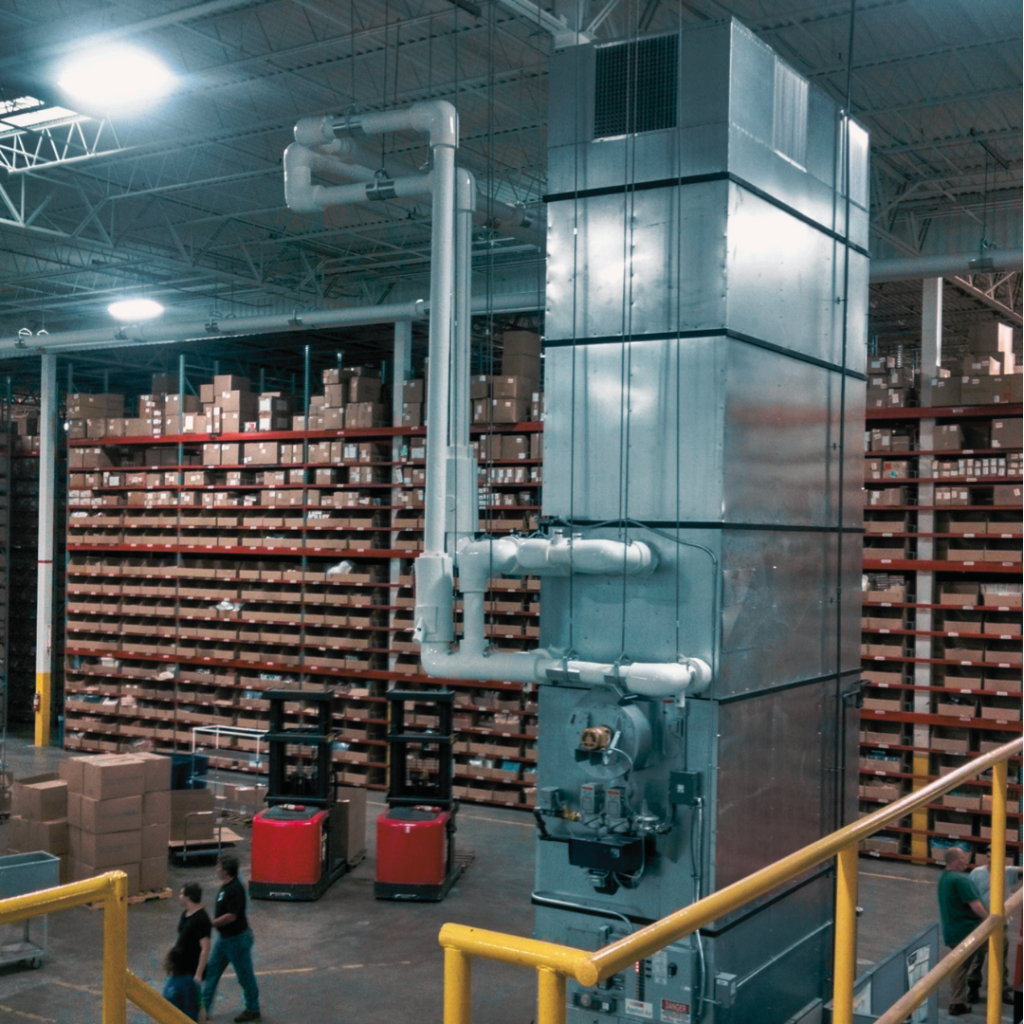
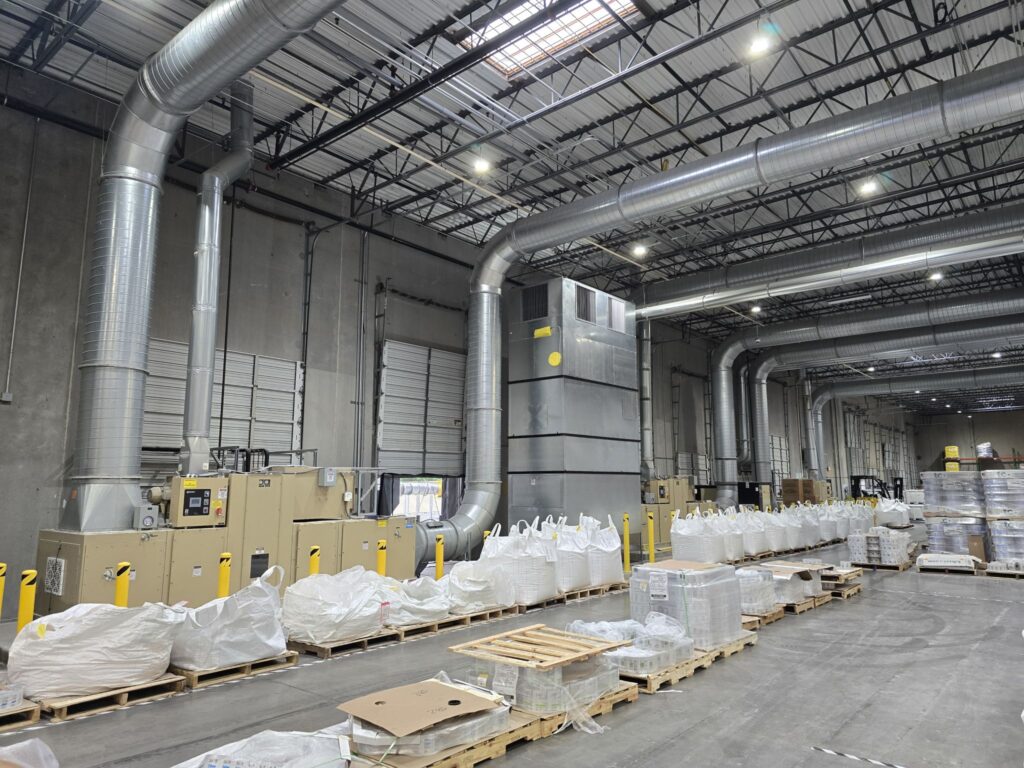
Air turnover systems (also called air rotation systems) offer steady, low-speed air circulation designed for large facilities with high ceilings. These units pull air from the floor, heat or cool it, filter it, and then send it back out through high-mounted discharge grilles. The result? A consistent indoor environment without wasted energy.
What they deliver:
- Steady temperatures throughout the facility, even in hard-to-reach zones
- Cleaner air by mixing in fresh outdoor air with every cycle
- Better efficiency, using high-volume, low-speed fans that do more with less
At Lincoln Associates, we make sure every system is properly installed to cut down on temperature layering and keep conditions even from top to bottom.
Advantages of Air Turnover Systems
Air turnover units offer several built-in advantages that make them particularly effective for industrial and commercial spaces:
- No Ductwork Required: Fully contained systems eliminate the need for roof penetrations or extensive duct runs
- Quieter Operation: Low-speed fans reduce sound levels compared to rooftop units or traditional high-velocity systems
- Temperature Uniformity: Maintains consistent temperatures across the space, typically within two degrees Fahrenheit
- Air Destratification: Gently mixes warm and cool air throughout the facility to prevent temperature layering
- Simplified Installation: Compact design saves space and does not require additional structural support
Applications of Air Turnover Units
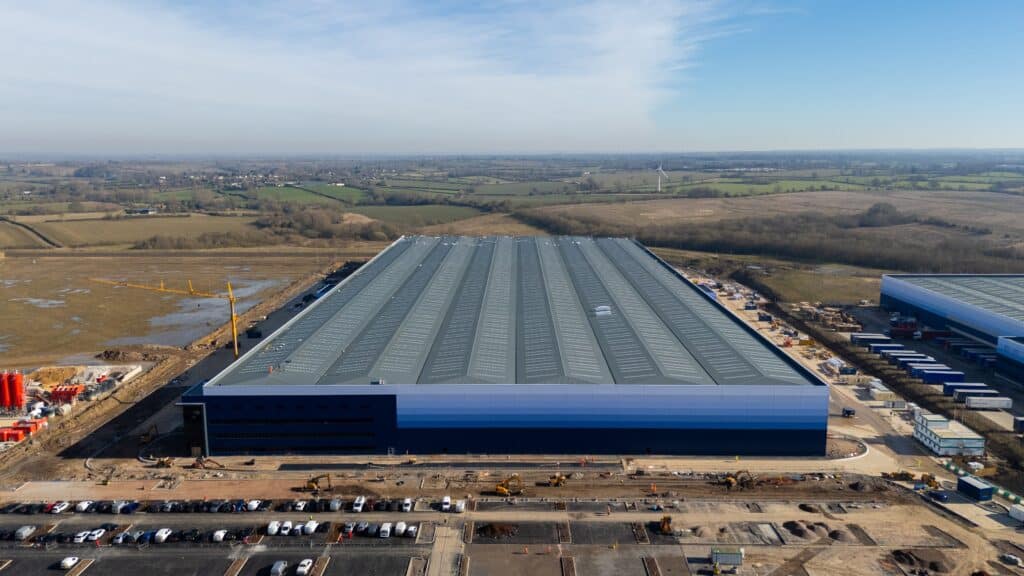
Air turnover systems are ideal for large, open environments where traditional HVAC approaches often fall short. Their ability to deliver uniform air distribution, reduce energy costs, and simplify installation makes them especially effective in the following settings:
Warehousing and Distribution
- Consistent heating and cooling across large volumes, including high-rack storage areas.
- Helps maintain temperature variation within two degrees Fahrenheit throughout the space.
- Lowers operational costs by using energy-efficient, low-speed fans.

Manufacturing & Assembly Facilities
- Supports stable conditions for both personnel comfort and equipment reliability.
- Effectively manages high internal heat loads and process-generated heat.
- Improves overall airflow and air quality without complex ductwork.
Gymnasiums, Hangars, and Big-Box Retail
- Tailored for high-ceiling spaces with fluctuating occupancy levels.
- Enhances comfort and air quality control for both employees and visitors.
- Reduces the need for additional ductwork or complex infrastructure.
Our HVAC Air Turnover Capabilities
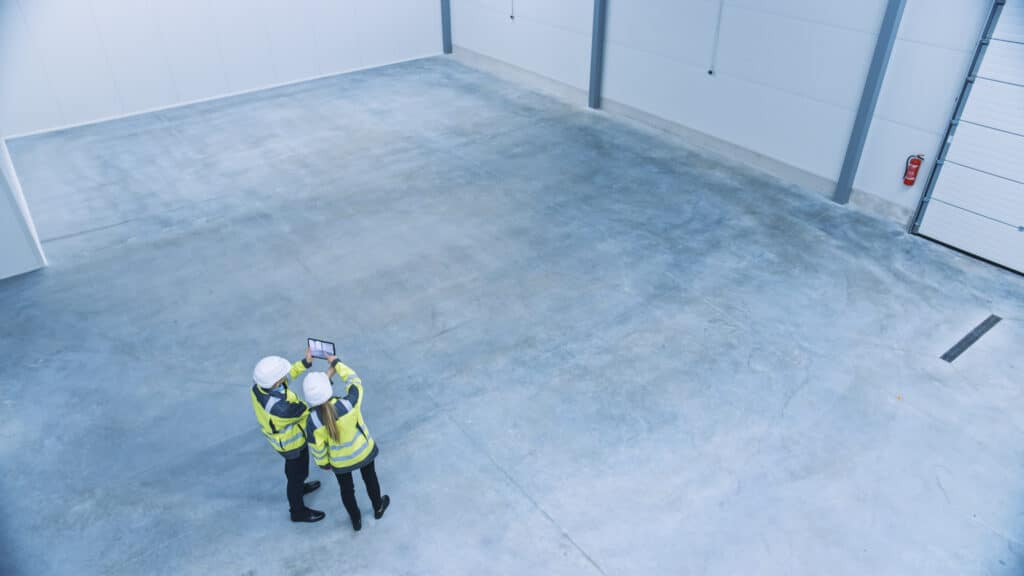
Lincoln Associates delivers full-spectrum support for air turnover systems, from system design through long-term service. Whether you’re building new or upgrading an existing facility, we tailor each solution to meet the demands of your space.
Custom System Design
Our design process factors in the real dynamics of your facility beyond square footage.
- Facility Volume: Systems sized by cubic footage for better performance in tall spaces.
- Temperature Control: Configured for heating, cooling, or year-round conditioning.
- Air Quality: Optional filtration and ventilation components built in as needed.
- Energy Efficiency: Equipment selected for fan and burner efficiency.
- Building Layout: Unit placement planned to avoid obstructions and maximize coverage.
- System Integration: Works alongside existing HVAC infrastructure when required.
Equipment Supply & Manufacturer Integration
- Access to equipment from trusted manufacturing partners
- Full procurement and logistics management
- Scalable options for both new construction and retrofit projects
Long-Term Service & Support
Air turnover units are built to last, but like any system, they perform best with consistent care.
- Routine Inspections: Regular checks on fans, burners, filters, and controls
- Preventative Maintenance: Cleaning, filter changes, calibration, and system checks
- Repairs & Upgrades: Fast turnaround to minimize disruptions
- Performance Optimization: Adjustments to match evolving facility needs

Trusted Manufacturer Partnerships
At Lincoln Associates, the strength of our solutions is rooted in the quality of our partnerships. We work with industry-leading manufacturers who share our commitment to performance, reliability, and long-term value.
One of those key partners is Applied Air, known for delivering durable, high-efficiency air handling and air turnover systems designed specifically for industrial and commercial environments. Their equipment stands up to the demands of large-scale operations and integrates seamlessly into custom system designs.
Why Lincoln Associates?
Lincoln Associates offers more than just equipment. We deliver complete air turnover strategies that maintain comfort, protect products, and reduce operating costs. From initial design to installation and ongoing service, our team ensures your system is perfectly matched to your facility’s needs.
Here’s what sets us apart:
- Custom Engineering: Solutions designed around your building’s unique size, use, and energy performance goals.
- Proven Manufacturers: Reliable, high-performance equipment.
- Local Expertise: Responsive, knowledgeable support from regional representatives in the Southeast U.S.
- Energy Efficiency Focus: Systems that reduce operating costs while maintaining optimal conditions, coupled with continued maintenance for long-term efficiency.

Lincoln Associates
Headquarters
-
800 Battery Avenue SE, Ste 300
Atlanta, GA 30339 -
(770) 425-1500(770) 425-1500
- [email protected]
Your Partner in Air Turnover Systems
If you need consistent, energy-efficient temperature and air distribution in a large facility, Lincoln Associates can help. Contact us today to discuss your application and get a tailored solution.
Frequently Asked Questions
What is the difference between air turnover and traditional HVAC systems?
Air turnover systems use high-volume, low-speed fans to gently circulate conditioned air throughout a space with no ductwork required. On the other hand, traditional HVAC systems rely on forced air through ducts, which can lead to uneven temperatures in large, open areas. Air turnover keeps things consistent from floor to ceiling.
Are these systems effective in cold or hot climates?
Absolutely. Air turnover units can be configured for heating, cooling, or year-round conditioning. Whether you’re dealing with Southern humidity or winter chills, they’re designed to maintain stable indoor conditions.
How long does installation typically take?
It depends on the size of your facility and whether it’s a new build or a retrofit. That said, these systems are often quicker to install than traditional ducted systems, especially since they’re self-contained and require minimal structural support.
Can air turnover units be retrofitted into older buildings?
Yes. One of the major advantages is their flexibility. Because they don’t rely on extensive ductwork or require heavy structural modifications, they’re a practical option for older facilities needing an HVAC upgrade.
What maintenance is required for optimal performance?
Routine inspections and preventative maintenance go a long way. That includes checking fan and burner function, replacing filters, and calibrating controls. With regular service, these systems run efficiently for years with minimal downtime.


