
Replacement Steam Coils for HVAC Systems
Steam coils play a crucial role in industrial and commercial HVAC systems that rely on steam heat exchange. These heating coils transfer thermal energy from pressurized steam to air streams within air handlers, makeup air units, and other heating systems.
At Lincoln Associates, we supply high-performance steam coil replacements engineered to meet the demands of institutional, industrial, and commercial environments. Our coil experts work closely with contractors and engineers to ensure fast, reliable solutions that restore heating capacity and system uptime.
What are Steam Coils and Why Do They Matter?
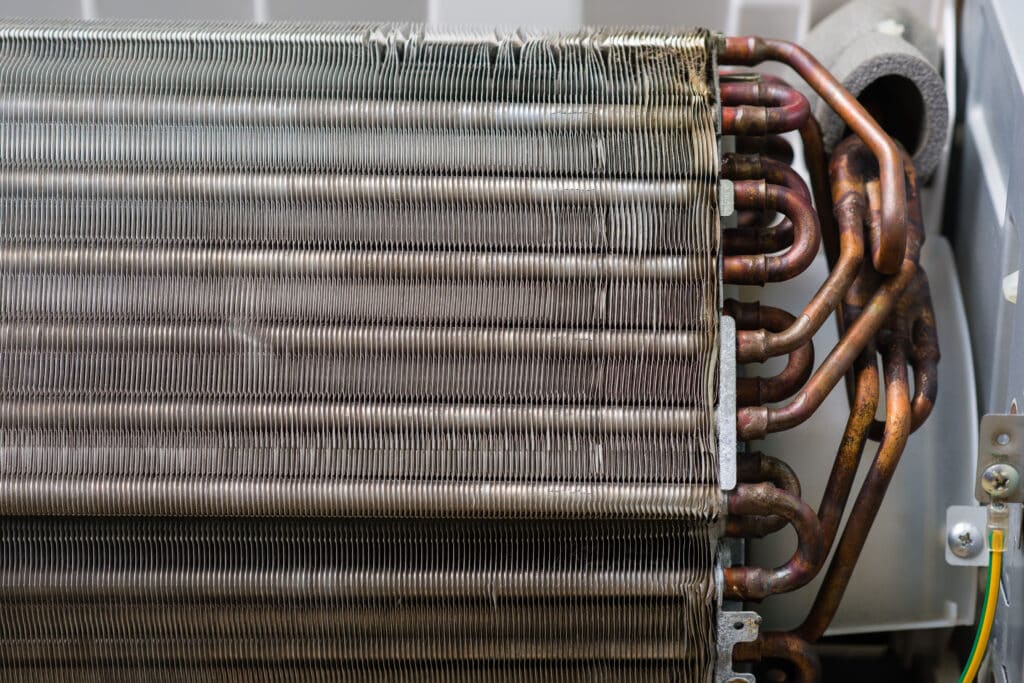
Steam coils operate by circulating steam through a network of tubes within a coil assembly. As steam condenses inside the coil, it transfers heat to the surrounding air, making these coils essential to space heating and process temperature control.
Over time, steam coil performance can deteriorate due to internal fouling, condensate hammer, tube erosion, or freeze damage. This degradation reduces heating effectiveness, increases energy consumption, and places strain on HVAC equipment. Replacing damaged or underperforming coils ensures consistent heating output and prevents avoidable system failures.
Applications of Steam Coils
Steam heating coils are used in a wide range of HVAC applications, including:
- Commercial air handling units and makeup air systems
- Industrial process air heating and drying systems
- Institutional buildings requiring controlled indoor temperatures
Lincoln Associates provides steam coils compatible with OEM system configurations and capable of meeting custom dimensional requirements. These heating coils are essential in applications where reliable steam heat exchange is critical for comfort, safety, or operational efficiency.

Features and Benefits
Our steam coils are engineered for:
- Efficient Steam Heat Transfer: Optimized tube layouts and fin designs for maximum surface area
- Durability: Corrosion-resistant materials and rugged construction to withstand high-pressure steam environments
- Reliable Performance: Designs that minimize condensate binding and thermal stress
- Easy Fit and Integration: OEM-matched or custom-fabricated dimensions for seamless replacement
Each coil is tested for pressure integrity, thermal output, and condensate drainage performance to ensure dependable service in demanding applications.
Manufacturers and Brands We Distribute
We provide steam coil replacements through a trusted network of coil manufacturers known for quality, performance, and fast availability. As an experienced HVAC distributor, Lincoln Associates ensures all products meet strict engineering and reliability standards.




Why Choose Us for Your Steam Coil Needs?
With decades of HVAC experience and a focus on engineered heating solutions, Lincoln Associates delivers:
- Custom steam coil fit-ups tailored to your system geometry and pressure requirements
- Fast sourcing and lead times to reduce heating system downtime
- Technical assistance from specification through installation
- Application expertise across commercial, industrial, and institutional heating systems
We support your system’s thermal needs with coils that are built to last and perform under pressure.


Lincoln Associates
Headquarters
-
800 Battery Avenue SE, Suite 300
Atlanta, GA 30339 -
(770) 425-1500(770) 425-1500
- [email protected]
Need Help With a Replacement Steam Coil?
Request a quote or speak with a steam coil specialist today.
Use our coils form to start the process, or contact a Lincoln Associates representative.
*Our Customer Support Team will contact you within 24 hours during normal business operations.


