
Replacement Cooling Coils for HVAC Systems
Cooling coils are a core component of HVAC systems responsible for regulating indoor air temperature and comfort. By removing heat from incoming air, these coils support efficient air cooling across commercial and industrial environments where performance and reliability are non-negotiable.
Lincoln Associates provides fast, dependable replacement cooling coil solutions engineered to restore system capacity and airflow. We support contractors, engineers, and facility managers with cooling coils designed for compatibility, efficiency, and long-term service in demanding HVAC applications.
What are Cooling Coils and Why Do They Matter?
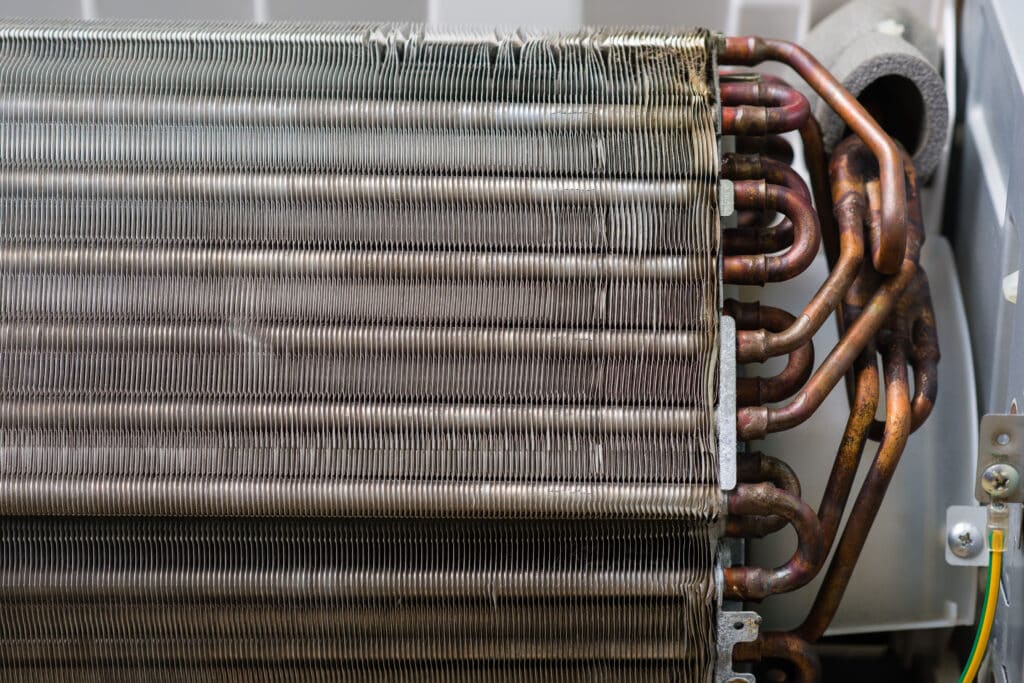
Cooling coils circulate chilled water or refrigerant through a network of tubes and fins to absorb heat from the air passing across their surface. This air cooling process is essential for maintaining indoor comfort, controlling humidity, and protecting equipment from overheating.
Over time, cooling coil performance can decline due to fouling, corrosion, refrigerant leaks, or physical damage. These issues lead to reduced heat transfer, higher energy consumption, uneven cooling, and unnecessary system strain. Replacing compromised coils restores HVAC cooling performance and helps prevent more costly equipment failures.
Applications of Cooling Coils
Cooling coils are widely used in:
- Commercial air handlers and rooftop units
- Industrial HVAC systems and process cooling environments
- Institutional buildings requiring precise temperature control
Lincoln Associates supplies cooling coils compatible with major HVAC brands and system configurations. Our replacement solutions support both standard and custom applications, making them well-suited for retrofit projects, capacity upgrades, and aging equipment.

Features and Benefits
Our replacement cooling coils are built to deliver:
- Efficient heat removal through optimized fin spacing, tube design, and airflow characteristics
- Durable construction with corrosion-resistant materials designed for long service life
- Seamless integration with OEM-matched or custom-fabricated dimensions
- Improved system performance resulting in lower energy use and reduced downtime
All coils are performance-tested for pressure integrity, thermal capacity, and field reliability to ensure dependable HVAC cooling operation.
Manufacturers and Brands We Distribute
We provide cooling coil replacements through a trusted network of manufacturers known for quality, engineering, and performance. As an experienced HVAC distributor, Lincoln Associates ensures fast sourcing and authentic product availability.




Why Choose Us for Your Cooling Coil Needs
With decades of HVAC experience and engineering-focused support, Lincoln Associates delivers replacement cooling coils with accuracy and confidence. Customers rely on us for:
- Custom cooling coil fit-ups for legacy or non-standard systems
- Fast, reliable lead times that minimize disruption to operations
- Application-specific expertise informed by real-world HVAC environments
- Hands-on technical support from selection through installation
When HVAC cooling performance matters, our team brings the depth and responsiveness required to keep systems operating as designed.


Lincoln Associates
Headquarters
-
800 Battery Avenue SE, Suite 300
Atlanta, GA 30339 -
(770) 425-1500(770) 425-1500
- [email protected]
Need Help With a Replacement Cooling Coil?
Contact Lincoln Associates today for pricing, lead times, or technical guidance.
Submit a request through our coils form to get started.
*Our Customer Support Team will contact you within 24 hours during normal business operations.


