
Replacement Condenser Coils for HVAC Systems
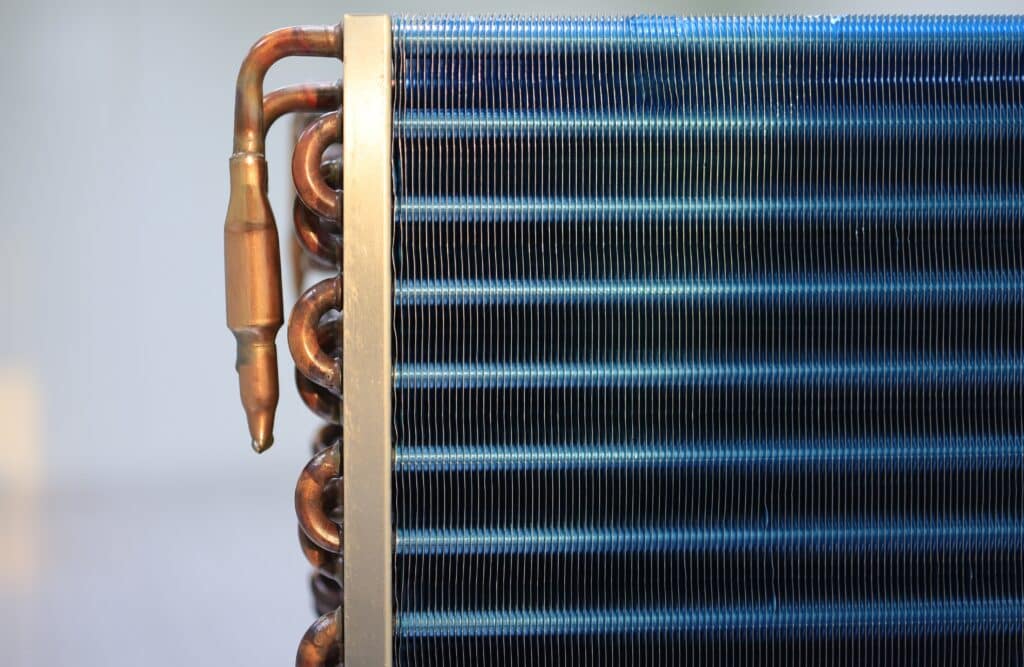
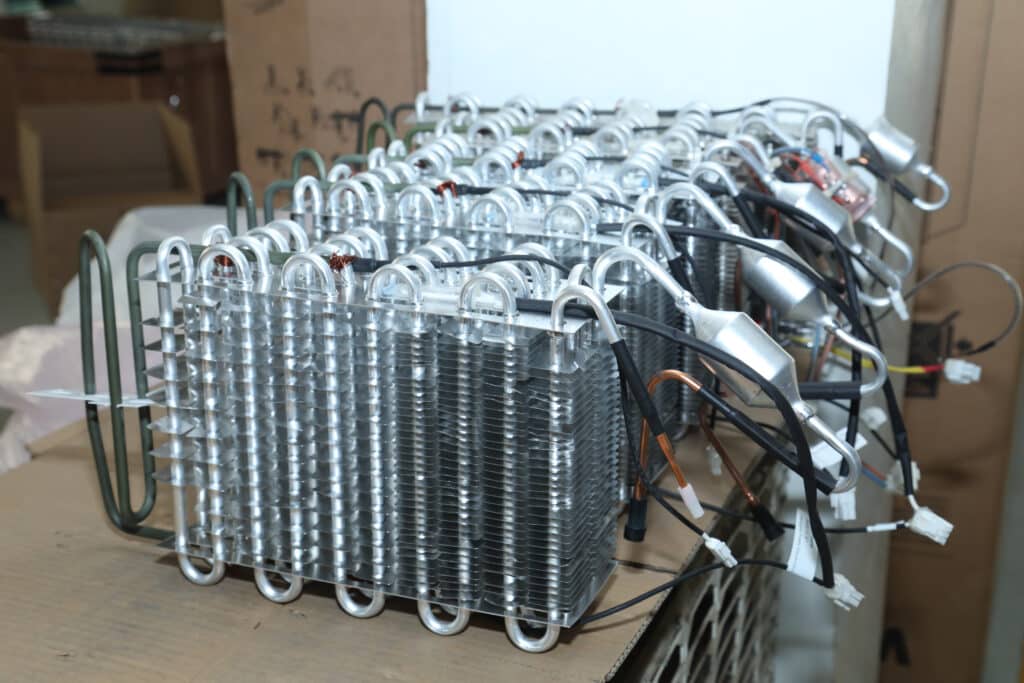
Condenser coils are the workhorses of heat rejection in HVAC systems. As the final stage of the refrigeration cycle, they release heat absorbed indoors, making coil performance essential to cooling reliability and efficiency.
Over time, these coils can degrade due to outdoor exposure and mechanical damage. When repairs no longer suffice, Lincoln Associates provides replacement condenser coils that restore full system performance with minimal disruption.
Explore our role as a trusted resource for HVAC replacement coils and commercial-grade solutions.
What are Condenser Coils and Why Do They Matter?
Condenser coils dissipate heat to the outdoor air, condensing refrigerant vapor back into a liquid. When coil surfaces are clogged, corroded, or leaking, the system must work harder, leading to higher energy use and reduced component life.
Timely coil replacement can prevent compressor failure and keep energy costs under control.
Applications of Condenser Coils
Condenser coils are widely used in:
- Commercial rooftop units
- Air- and water-cooled condensing systems
- Large-scale refrigeration and HVAC installations
We support systems in retail, healthcare, food production, and industrial environments. Our replacement coils are compatible with most major brands and are tailored for fast installation.
Features and Benefits
Our condenser coil replacements are engineered for high performance, long service life, and a precise fit—whether you’re retrofitting existing systems or building new.
We combine technical accuracy with durable construction to ensure each coil performs reliably under real-world conditions:
- Improved thermal performance supports more efficient heat rejection and stable system operation
- Corrosion-resistant materials stand up to harsh outdoor environments and extend equipment lifespan
- OEM-accurate or custom-fabricated designs ensure proper fit and compatibility for a wide range of systems
- High-efficiency configurations help reduce energy consumption and lower operating costs over time
- Rigorous pre-delivery testing confirms leak integrity and thermal capacity for every coil
- Fast turnaround options keep projects moving and reduce costly downtime
This blend of performance, durability, and support makes our coil replacements a dependable choice for commercial and industrial HVAC/R applications.
Manufacturers and Brands We Distribute
We partner with leading coil manufacturers to ensure fast delivery, quality craftsmanship, and system compatibility. Product integrity is backed by strong supply chain relationships.




Why Choose Us for Your Condenser Coil Needs?
Clients across the Southeast rely on Lincoln Associates for expert support that makes the difference in critical HVAC/R decisions.
Here’s what sets us apart:
- Technical Precision: Expert guidance on coil sizing, replacement compatibility, and performance matching
- Responsive Service: Fast answers, reliable lead time estimates, and proactive communication throughout the process
- Engineering-first Approach: Solutions built around performance, not guesswork—ideal for demanding or custom applications
- Regional Experience: Deep understanding of the climate and compliance needs across Southern commercial and industrial facilities
From consultation to delivery, we’re a trusted coil supplier and partner.


Lincoln Associates
Headquarters
-
800 Battery Avenue SE, Suite 300
Atlanta, GA 30339 -
(770) 425-1500(770) 425-1500
- [email protected]
Ready To Replace a Failing Condenser Coil?
Contact our team to get a quote or discuss your specifications with an expert.
*Our Customer Support Team will contact you within 24 hours during normal business operations.


